
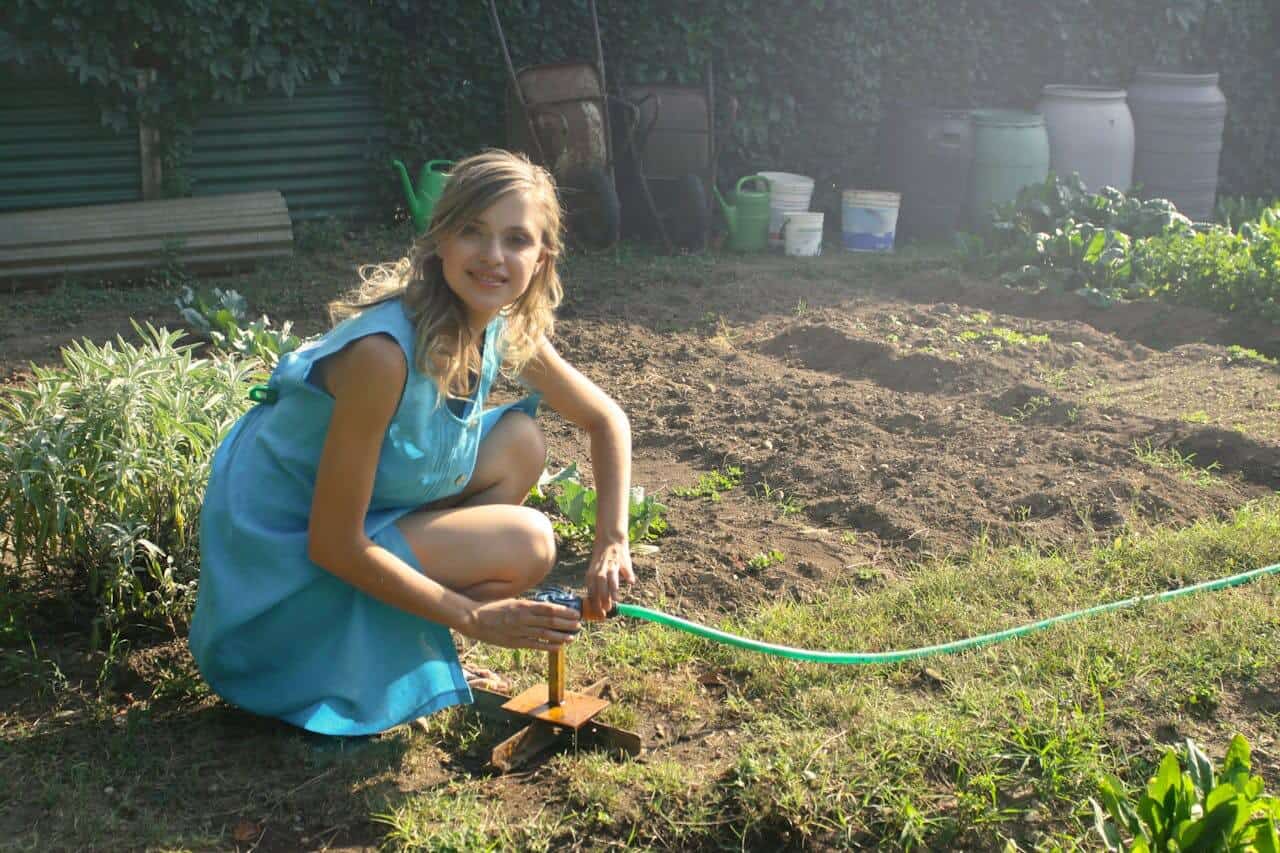
Watering a garden efficiently can be a challenge, especially in areas prone to drought or with limited access to water resources. Traditional watering methods, such as sprinklers or hoses, often lead to water wastage due to evaporation, runoff, or oversaturation of soil. However, drip irrigation offers a solution that can significantly optimize water use in your garden. This method delivers water directly to the plant’s root zone in a slow, controlled manner, reducing waste and ensuring that plants get the moisture they need.
In this article, we’ll explore how drip irrigation works, the benefits of using it in your garden, and some tips for setting up and optimizing your system
Introduction to Drip Irrigation
Drip irrigation is a low-pressure, high-efficiency watering system that delivers water slowly to the base of plants, either at the soil surface or directly into the root zone. Unlike traditional overhead watering methods, drip irrigation minimizes water loss through evaporation and ensures that only the area surrounding the plants is watered, reducing waste.
The system consists of several components, including a mainline pipe or tubing, smaller emitter lines, and drippers or emitters that control the flow of water to each plant. One of the critical elements in designing an efficient drip irrigation system is selecting the right size tubing, particularly the 1/2-inch drip irrigation tubing, which is commonly used for the mainline distribution of water.
Benefits of Drip Irrigation
- Healthier Plants: Because the water is delivered directly to the root zone, plants have better access to moisture without the risk of waterlogging or fungal diseases, which can occur when leaves are frequently wetted.
- Water Conservation: Drip irrigation can decrease water consumption by as much as 50% when compared to conventional watering techniques.
- Reduced Weeding: Since water is only delivered to the plants you want to grow, the surrounding areas, where weeds might otherwise thrive, remain dry.
- Adaptability: Drip irrigation systems are versatile and can be customized to suit the specific needs of different plants.
How to Set Up Drip Irrigation in Your Garden
- Design Your Layout: Start by designing your garden’s layout and identifying the plants that need irrigation. Group plants with similar water needs together to ensure that each section of the garden receives the appropriate amount of water. Make sure to note the distance between plants and how much water each type will need.
- Choose the Right Tubing: One of the most important decisions when setting up your system is selecting the correct tubing size. For most home gardens, 1/2 drip irrigation tubing from Carpathen is ideal for the mainline distribution of water. This size offers a balance between flexibility and durability, making it easy to install while still providing sufficient water flow. The 1/2-inch tubing connects to 1/4-inch drip irrigation tubing, which can then be placed near the base of individual plants.
- Install Emitters: Once your mainline tubing is laid out, install the drip emitters at each plant. These emitters regulate the flow of water to ensure that each plant gets the right amount of moisture. Many emitters are adjustable, allowing you to modify the flow rate and the amount of water delivered. Depending on your plants’ needs, you can select emitters with different flow rates, typically measured in gallons per hour (GPH).
- Test and Monitor the System: After setting up the system, it’s essential to test it to ensure everything is functioning correctly. Turn on the water supply and check for leaks, uneven water distribution, or blocked emitters.
Optimizing Water Use with Drip Irrigation
- Use Mulch: Adding a layer of mulch around your plants helps retain moisture in the soil and reduces evaporation. This means you can water less frequently while still ensuring that your plants stay hydrated.
- Schedule Watering Times: To avoid overwatering, schedule your drip irrigation system to run early in the morning or late in the evening when temperatures are cooler. This reduces water loss due to evaporation during the hottest part of the day.
- Regular Maintenance: Periodically inspect your drip irrigation system for clogs or leaks. Over time, mineral buildup can clog emitters, and rodents or garden tools can damage the tubing.
- Tailor the System to Plant Needs: Adjust the water output based on the specific needs of your plants. Some may require more frequent watering, while others thrive with less moisture. By fine-tuning the system, you can avoid waste and promote healthier plant growth.
Drip irrigation is a highly efficient and environmentally friendly way to water your garden. By delivering water directly to the root zones of plants, this system minimizes waste, promotes healthier plant growth, and saves time on garden maintenance. By following the steps outlined in this article and incorporating water-saving practices like mulching and proper scheduling, you can optimize water consumption in your garden and enjoy a thriving, sustainable landscape.