
Property disputes in rural areas can be challenging due to unique local customs, land use, and historical claims. Addressing these issues promptly and effectively is crucial for maintaining harmony and preventing long-term conflicts. This article outlines essential steps to resolve property disputes peacefully, focusing on practical solutions that respect local traditions and legal frameworks.
Understanding the Nature of Property Disputes
Property disputes can arise from various situations, including boundary disagreements, inheritance conflicts, and issues with land use. These disputes often stem from unclear property lines, lack of proper documentation, or misunderstandings about land rights. Recognising the specific nature of the dispute is the first step towards finding a resolution.

Boundary disputes are common in rural areas where land surveys may be outdated or inaccurate. Neighbours might disagree over the exact location of a property line, leading to conflicts. Inheritance disputes occur when multiple heirs claim rights to a piece of land, especially when the property’s ownership history is complex. Understanding these common types of disputes helps in approaching them with the right strategies.
Communicating Effectively with All Parties Involved
Effective communication is crucial in resolving property disputes. Begin by having open discussions with all parties involved. This step ensures that everyone understands the other’s perspective and concerns. Listening actively and empathetically can help de-escalate tensions and pave the way for a mutually agreeable solution.
It’s essential to document all communications and agreements during this process. Written records help prevent future misunderstandings and provide a clear trail of the discussions. Setting up regular meetings and keeping a neutral mediator can also be beneficial, ensuring that discussions remain productive and focused on resolution.
Seeking Legal Advice and Mediation
Consulting with legal experts who specialise in property disputes is a critical step. These professionals can offer valuable insights into the legal aspects of the dispute and suggest viable solutions. They can also help interpret any historical documents or unclear land titles, which are often sources of conflict in rural areas.
Mediation is another effective method for resolving disputes. A neutral third party can facilitate discussions and help the involved parties reach an agreement. Mediation is often less adversarial than going to court and can preserve relationships between neighbours. Additionally, it is usually quicker and more cost-effective than litigation.
Addressing Landlord and Tenant Issues
Landlord and tenant issues can be particularly complex in rural areas where informal agreements are common. Disputes might arise over lease terms, property maintenance, or land use. It’s important for both landlords and tenants to clearly understand their rights and responsibilities to avoid conflicts.
If disputes occur, consulting resources such as Property Disputes can be beneficial. They provide expert advice and services to help resolve property disputes effectively. This professional guidance ensures that both parties understand their legal standing and can work towards a fair resolution.
Considering the Environmental and Agricultural Impacts
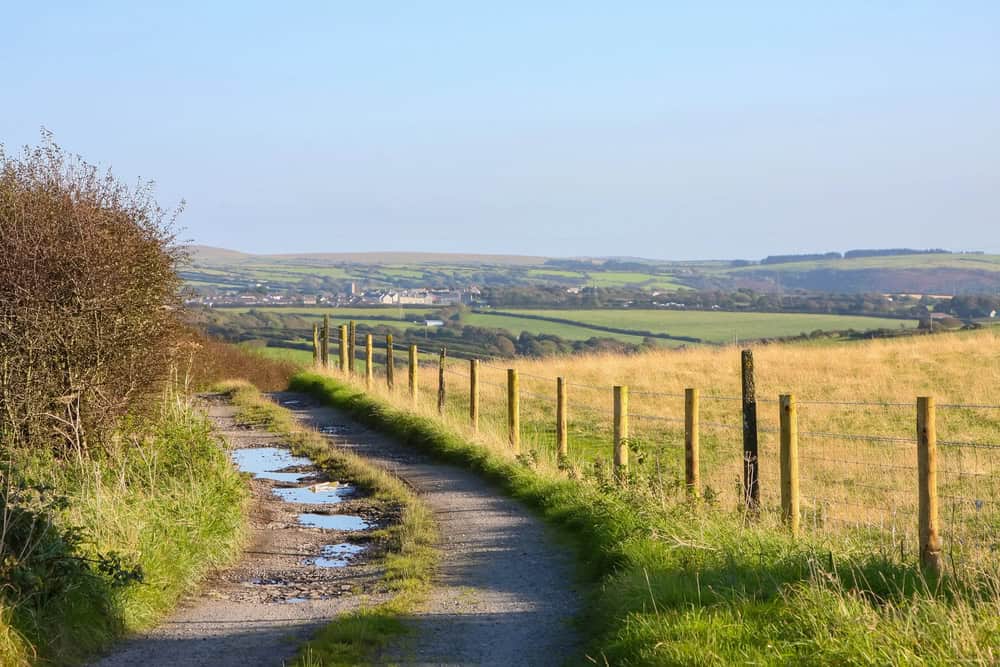
Property disputes in rural areas often involve considerations of environmental and agricultural impacts. Disputes might arise over water rights, grazing land, or the use of pesticides and fertilisers. Addressing these issues requires a careful balance between legal rights and sustainable land management practices.
Involving environmental experts or agricultural advisors can help in finding solutions that are beneficial for all parties involved. These professionals can offer guidance on sustainable practices and help mediate conflicts related to land use and resource management.