
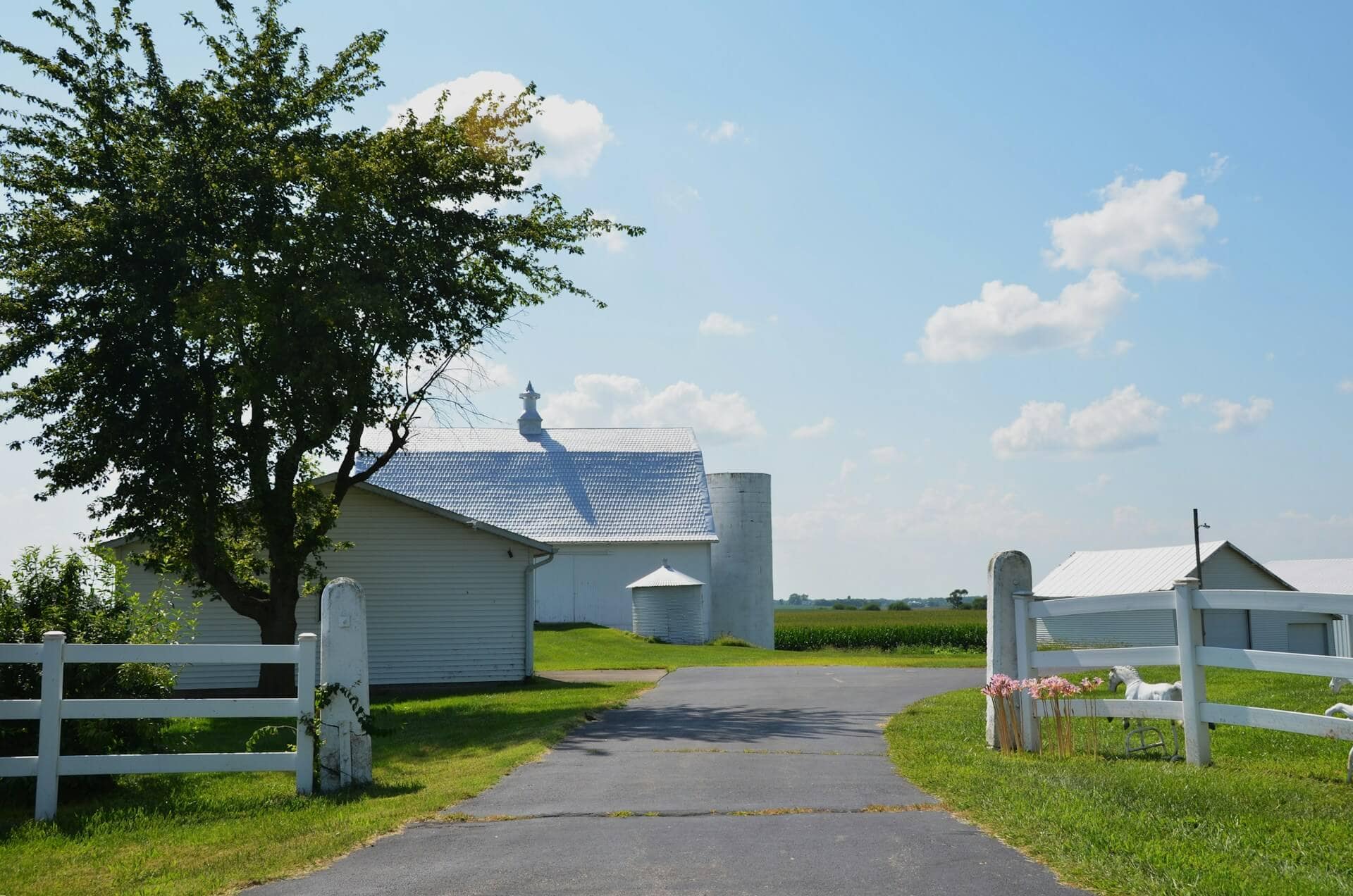
Cracked concrete, sinking sections, and stubborn weeds can turn a rural driveway into an expensive maintenance headache, especially when heavy farm machinery repeatedly puts it under pressure. Left unchecked, minor surface damage can develop into costly repairs that disrupt daily access to your property. Discover how early crack detection, durable resurfacing options, and simple preventive maintenance can help protect your driveway, extend its lifespan, and keep it dependable under demanding farm conditions.
The Toll of Farm Equipment
Heavy farm machinery concentrates a great deal of weight through its tires, especially when carrying feed, soil, or equipment. Repeated trips along the same wheel paths can cause cracking, surface wear, and movement at slab joints. Damage becomes more likely if the concrete is thin or the base underneath wasn’t compacted properly.
Plan routes so machinery enters as straight as possible and avoids tight turns on the slab. Sharp steering can grind the surface and place sideways pressure on edges. These farm equipment safety tips also offer useful reminders about visibility, clearance, and controlled movement around rural properties.
Catching Small Cracks Early
Inspect the driveway every few months and after unusually wet, dry, or cold weather. Look closely at slab edges, drainage points, and the paths used most often by heavy vehicles. Hairline cracks may be cosmetic, but a widening crack or one with different surface heights can point to movement below.
Mark each crack with chalk and record its width so you can check it again in a month. Clean stable cracks before filling them with a product designed for exterior concrete. If cracks keep returning, ask a concrete professional to investigate drainage and base movement. Experiences with heavy equipment on driveways also show why vehicle weight and slab condition should be considered.
Heavy-Duty Resurfacing Options
Resurfacing may suit a driveway that has widespread wear but remains structurally stable. A contractor can clean the slab, repair sound cracks, and apply a bonded overlay or protective finish. Homeowners and property managers can also consider durable concrete coatings when they want tailored protection, easier maintenance, and a refreshed appearance.
A surface treatment won’t correct a sinking base or severely displaced sections. Ask the contractor to check slab thickness, moisture movement, and adhesion before work begins. Mention the heaviest vehicles that use the driveway and how often they pass over it. Those details help determine whether resurfacing is suitable or full-depth repairs are needed.
Preventing Weed Infiltration
Weeds usually enter through existing joints and cracks, where trapped soil gives seeds somewhere to grow. Their roots can hold moisture against the concrete and gradually widen weak openings. Pull young growth before the roots become established, then remove loose dirt with a stiff brush or suitable pressure washer.
Keep joint sealant in good condition and refill gaps once the area is dry. Avoid digging aggressively around slab edges because removing supporting soil can leave the concrete vulnerable to chipping. Trim grass back from the driveway and direct runoff away from joints. A narrow gravel border can improve drainage while making new growth easier to spot and remove.
Extending Slab Lifespans
Control water first because poor drainage can undermine even a thick driveway. Clear nearby channels, correct low spots that hold puddles, and make sure downspouts discharge away from the concrete. Regular property inspections and essential maintenance checks for rural properties can also help identify drainage problems, surface damage, and other issues before they become expensive repairs.
Protect edges by keeping heavily loaded vehicles near the center whenever space allows. Don’t leave trailers or machinery parked on one small area for long periods without confirming the slab can support them. Schedule a professional assessment if you notice sinking corners, broken sections, or cracks wider than about 1/4 inch.
A dated photo taken from the same position twice a year provides a simple maintenance record. It can reveal slow changes long before a damaged section interrupts daily access to the property.