
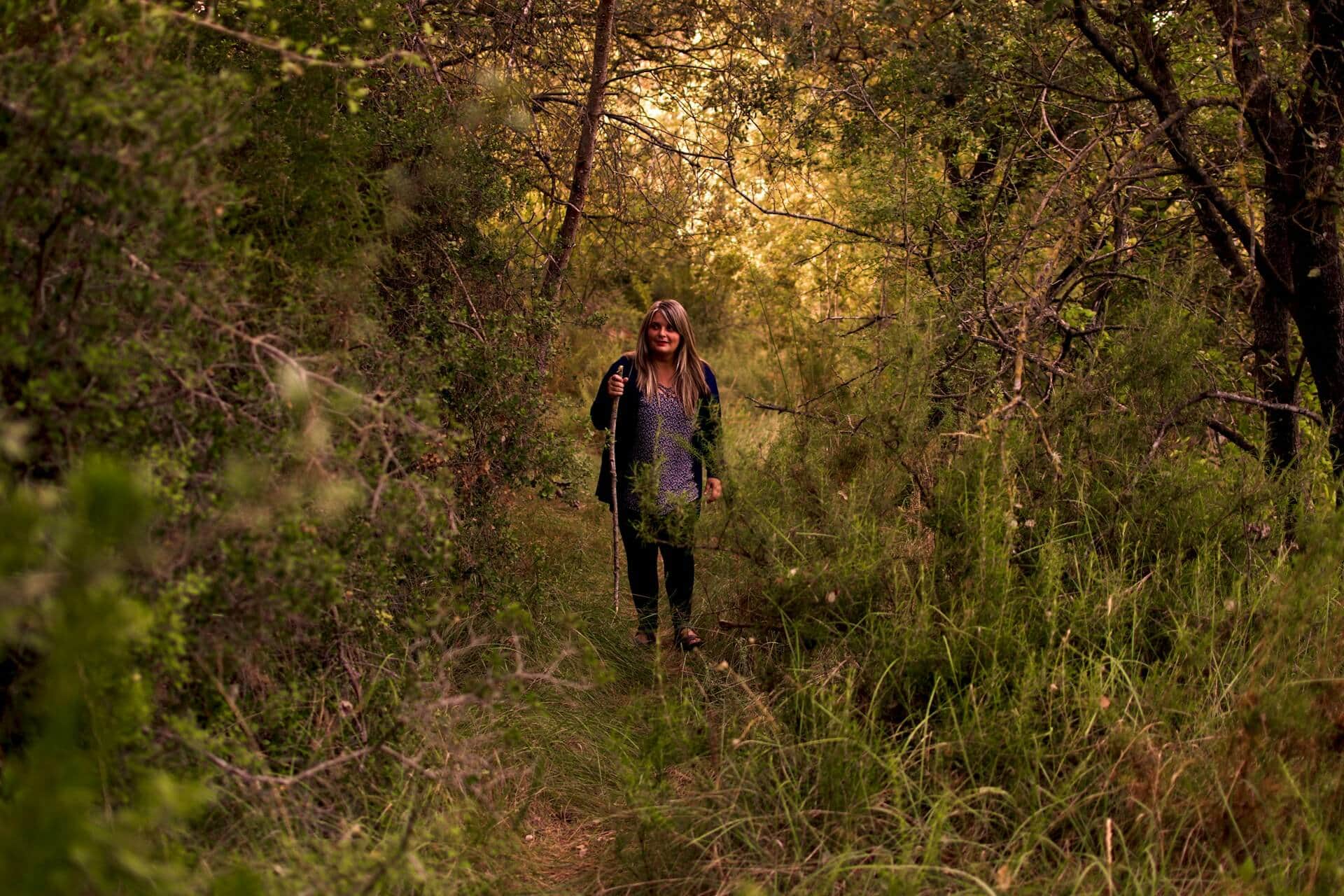
Imagine wandering through a lush countryside, the sun warming your back and a gentle breeze rustling the leaves. Your backpack feels light, and your spirits are high as you explore nature’s bounty, discovering hidden treasures that grow wild and free.
Foraging for edible plants not only fills your stomach but also connects you deeply with the land, turning a simple camping trip into a memorable adventure. It’s perfect for summer camps with kids, offering a hands-on lesson in nature’s abundance.

Photo by Lofilolo from Deposit Photos
Embrace the practice of foraging. Elevate your countryside camping experience. Make it a feast not just for the senses but also for your soul.
Importance of Foraging
Foraging edibles in the wild brings a new dimension to your outdoor adventures. It encourages a closer relationship with nature, allowing you to see the landscape not just as a backdrop but as a source of nourishment and discovery. The excitement of identifying and harvesting wild plants can turn a routine outing into a treasure hunt, enriching your outdoor experience.
Moreover, foraging supports sustainable living and encourages a self-reliant lifestyle. You can lessen the consumption of packaged products by gathering what to eat. It will lessen your environmental impact. This practice also enriches your knowledge of local ecosystems, fostering a greater appreciation for the natural environment.
Introducing kids to foraging during summer camps offers them practical lessons in ecology and conservation, fostering a lifelong respect for the environment. Embracing this age-old tradition reconnects us with the earth and helps preserve valuable knowledge for future generations.
If you’re looking to expand your camping experiences and incorporate foraging, consider exploring various summer camps that offer opportunities for nature-based activities. Campsi.com lists a wide variety of camps where you can engage in outdoor adventures and learn new skills, making your time in the countryside even more enriching.
Safety First: Rules and Guidelines
Proper identification is crucial, as many plants have toxic look-alikes. Misidentification can lead to serious health risks, so it’s essential to familiarize yourself with the characteristics of safe-to-eat plants and their poisonous counterparts. Investing in a reliable field guide or using reputable foraging apps can greatly aid in accurate identification.
Following general foraging rules is also critical. Doing so promotes your safety and the preservation of natural habitats. Always avoid foraging in areas that might be contaminated by pollutants, such as roadsides or industrial sites. Practice ethical foraging by taking only what you need and leaving enough for wildlife and plant regeneration. This approach sustains the plant populations and ensures that others can enjoy the same experience.
Legal considerations should not be overlooked. Foraging laws can vary significantly depending on the location, so it’s important to research and understand the regulations in the area where you plan to forage. Some places might require permits, while others might have strict restrictions to protect endangered species or preserve natural reserves.
Common Edible Wild Plants
The countryside is teeming with a variety of edible plants that can enhance your camping meals and provide a deeper connection to nature. Learning to identify and safely harvest these plants not only enriches your outdoor experience but also offers nutritional benefits.
Dandelion
This plant is easily recognizable by its bright yellow flowers and jagged leaves. Both the leaves and flowers are edible and rich in vitamins A and C. The leaves can be used in salads, while the flowers can be made into tea or wine. They can be quite bitter, which can make dishes more flavorful.
Chickweed
Known for its small, star-shaped white flowers and succulent stems, chickweed is a great addition to salads and can also be cooked like spinach. It is known for its mild, slightly sweet taste and high vitamin C content.
Wild Garlic
Recognized by its broad leaves and distinctive garlic smell, wild garlic, also known as ramsons, is a versatile plant. The leaves, flowers, and bulbs are all edible and can be used to add a garlic flavor to soups, sauces, and salads. It’s both delicious and nutritious.
Nettles
Although nettles might be intimidating due to their sting, they are a fantastic wild edible. Wearing gloves, you can harvest the young leaves and use them in soups, teas, or as a spinach substitute. Nettles are packed with iron and vitamins, making them a nutritious addition to your diet.
Plantain
This common weed, identified by its broad, ribbed leaves and fibrous stalk, is another valuable wild plant. When its greens are young, you can eat them raw. Alternatively, they can be cooked like spinach. Plantain is also known for its medicinal properties, often used to soothe insect bites and wounds.
Foraging Etiquette and Best Practices
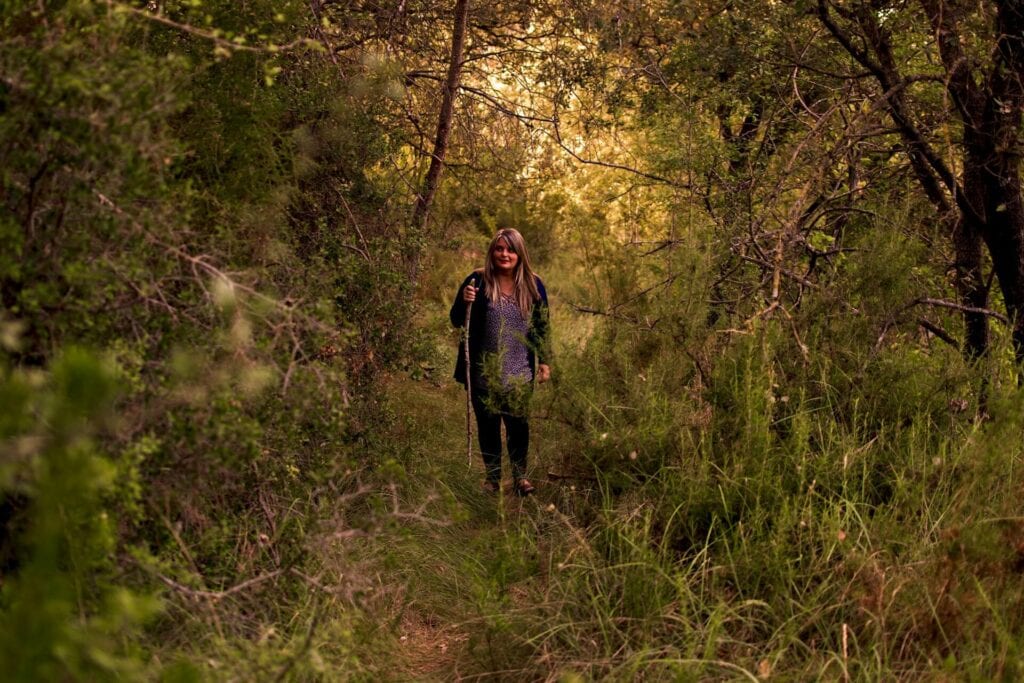
Photo by Marcos Gabarda from Unsplash
Practicing ethical foraging is crucial for preserving the environment and maintaining the balance of natural ecosystems. By following the guidelines mentioned below, you can forage responsibly and ensure that wild plant populations remain healthy and sustainable.
Respect Nature
Always treat natural areas with care and consideration. Avoid trampling over vegetation. Do not disturb wildlife habitats. Stick to established paths whenever possible to minimize your impact on the ecosystem. Remember, you are a guest in these natural spaces, and your actions should reflect a commitment to preserving their beauty and health.
Forage Responsibly
Take only what you need and avoid over-harvesting. This way, plants can continue to thrive. They will keep on reproducing. In turn, it can maintain the balance of the ecosystem. A good rule of thumb is to take no more than one-third of any plant population you encounter. Leave plenty for wildlife, other foragers, and future growth.
Be Mindful of Others
Foraging is an activity that many people enjoy together as a community. Be considerate of other foragers and campers by not depleting the resources in any given area. Sharing knowledge and resources with fellow campers can enhance everyone’s experience and foster a sense of community.
Practice Leave No Trace
Leave no trace of your foraging activities. This means cleaning up any debris or waste and ensuring that the area looks as undisturbed as when you found it. Avoid damaging plants unnecessarily, and always use tools carefully to minimize harm.
Educate Yourself
The more you know about the plants you are foraging, the better you can practice responsible foraging. Take the time to learn about the specific plants in your area, their ecological roles, and the best practices for harvesting them sustainably. Local workshops, books, and online resources can be invaluable in expanding your knowledge.
Wrapping Up
Foraging for wild edible plants offers a unique way to be one with nature. By practicing responsible foraging and respecting the environment, you can savor the diverse flavors and nutritional benefits that wild plants offer.
Let this ancient practice enrich your outdoor adventures and inspire a deeper appreciation for the natural world around you. Savor the journey and the tasty discoveries you make along the way.