
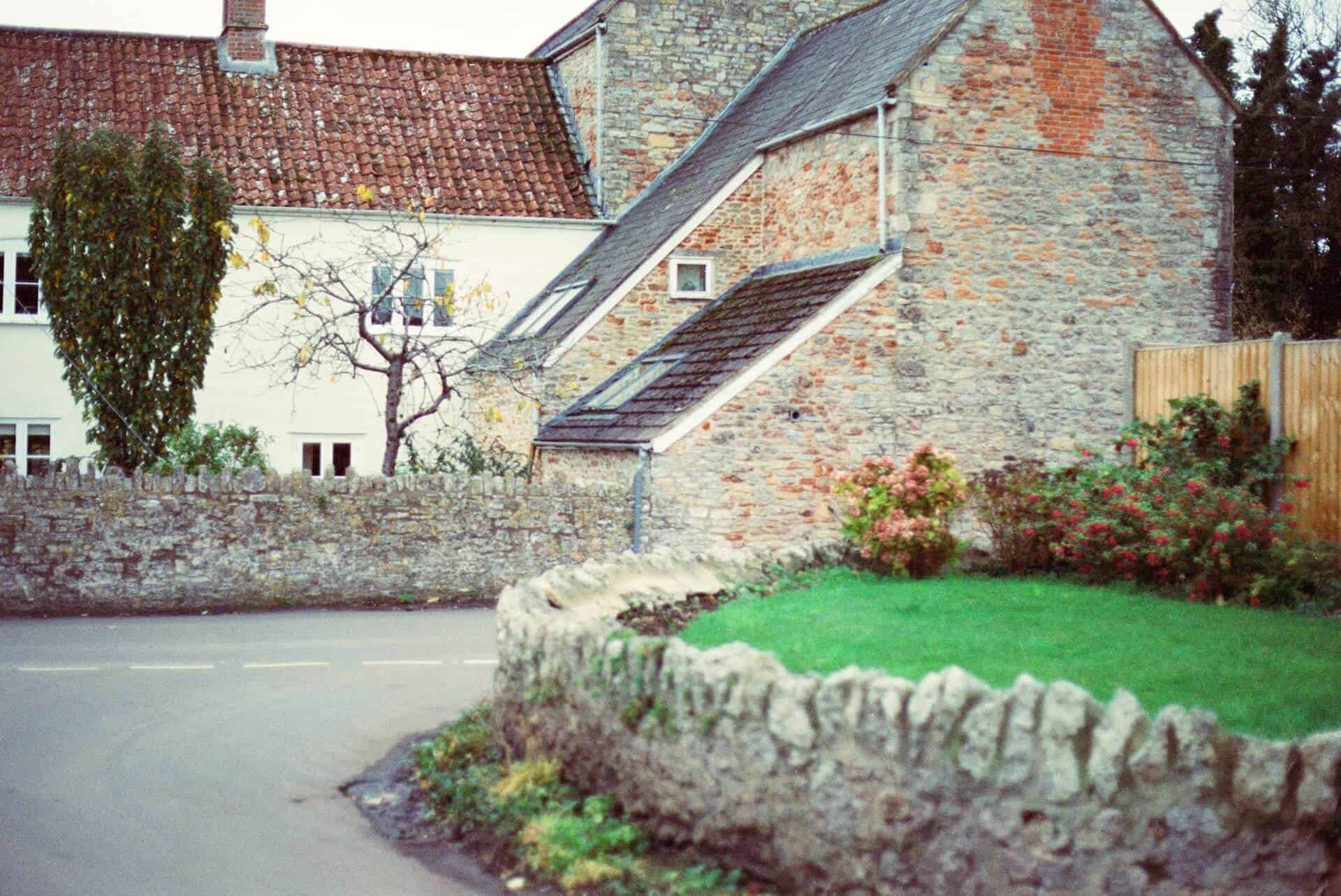
Older buildings tell stories. Some are charming, some are complicated, and some sit quietly on the walls and floors, waiting for the right moment to get your attention. When you live in or purchase an older home, you don’t have to become an expert in historic construction overnight. You just need a grounded way to understand what’s worth noticing, and what you can safely learn as you go. With a steady approach, the whole process becomes less intimidating and far more manageable.
How to Spot Age-Related Materials That Need Modern Attention
The first step is simply slowing down. You’re not hunting for problems; you’re learning the building’s language. Look closely at areas that show obvious wear: window frames with soft timber, paint that flakes in unusual patterns, or tiles with hairline cracks that never seem to settle. Older homes often contain mixtures of materials no longer used today, and spotting what feels “off” helps you focus your energy.
Pay attention to materials added during mid-century renovations, ceilings, insulation, and certain types of flooring are common examples. If something looks mismatched, unusually brittle, or out of place for the home’s original age, it’s worth noting. You’re not diagnosing; you’re creating a list of smart questions for the right professionals.
What Common Inspections Usually Miss in Older Homes
Traditional home inspections cover the visible issues. They’re great for identifying leaks, wiring concerns, roof life, and structural shifts. But older buildings hide their quirks in less obvious corners. Inspections often under-report ageing insulation, outdated composite materials, or the subtle signs of moisture that sit behind old plaster.
This is where you step in with curiosity rather than fear. For example, homes built before the 1990s may include materials that are safe when left undisturbed but risky when cut, drilled, or sanded. Responsible asbestos removal, when needed, can protect you and your property from long-term exposure risks. The key takeaway isn’t panic. It’s understanding that some hazards don’t reveal themselves until renovation begins, which is exactly why a second layer of specialised assessment is worth considering.
Where Homeowners Can Learn More About Responsible Hazard Management
You don’t need to memorise every outdated material ever used. Instead, focus on learning where reliable information lives. Government building-safety guidelines, heritage-preservation organisations, and reputable safety-focused contractors are excellent places to start. Many offer plain-language explanations that help you understand risks, timelines, and safe next steps.
If you’re planning upgrades or structural changes, it’s also worth exploring specialised resources that explain how older materials behave when disturbed. These sources often break down what’s safe to handle yourself and what should go straight to trained professionals. A reputable hazard-management service, such as those providing surveys, testing, and clear guidance, can give you the confidence to move forward without second-guessing every decision.

When Expert Support is the Smarter Option
Older homes aren’t problems to solve; they’re systems to understand. And sometimes, the most responsible choice is asking for help early. Specialists can identify hidden materials, recommend safe handling methods, and map out long-term solutions that protect your health and your investment.
By approaching the process with steady curiosity and clear information, you’ll find that managing material risks in older buildings doesn’t need to be overwhelming at all. It becomes just another part of caring for a home with history, and shaping it into a place that serves you well for years to come.