
The air circulating through our homes plays a far more significant role in our daily health and comfort than most people realize. Transforming your indoor environment into a healthier space requires understanding the various factors that influence air quality. From identifying hidden pollution sources to achieving the right balance of moisture in the air. Managing humidity levels deserves particular attention, as overly dry conditions can worsen respiratory problems and leave your home feeling uncomfortable, often necessitating a humidifier to restore proper balance, particularly during harsh winter months or in naturally arid regions.
Understanding Indoor Air Quality
Indoor air quality (IAQ) describes the condition of air within our homes and workplaces, specifically how it affects the health and comfort of those who live and work there. What makes indoor air particularly concerning is its tendency to trap and concentrate pollutants, unlike the great outdoors, our enclosed spaces have limited natural ventilation, allowing contaminants to build up over time.
The roster of common indoor pollutants reads like a who’s who of household troublemakers. Dust mites are nearly invisible creatures that flourish in warm, humid conditions, feeding on the dead skin cells we naturally shed. Pet dander, those tiny skin flakes from cats, dogs, and other furry companions can trigger allergic reactions even in homes that have never housed pets, since these persistent particles hitch rides on clothing and shoes. Mold spores take root in damp corners and poorly ventilated areas, potentially causing serious respiratory issues. Meanwhile, volatile organic compounds (VOCs) quietly off-gas from everything from furniture and carpeting to cleaning products and paint.
The health consequences of poor indoor air quality range from the immediately noticeable to the seriously concerning. Short-term exposure might leave you with irritated eyes, persistent headaches, or unexplained fatigue. Over time, however, compromised air quality can contribute to respiratory diseases, cardiovascular problems, and significantly worsen asthma symptoms. Children, older adults, and anyone with existing health conditions face the greatest risk from these airborne threats.
Strategies for Improving Indoor Air Quality
Source Control
The most powerful weapon in your air quality arsenal is prevention, stopping pollutants before they have a chance to contaminate your living space. Chemical-based cleaning products are notorious for releasing harmful vapors that linger long after you’ve finished scrubbing, while tobacco smoke introduces a cocktail of toxic compounds that can persist for hours or even days.
Making the switch to low-VOC paints and eco-friendly cleaning supplies represents one of the smartest investments you can make in your family’s health. These alternatives deliver the same cleaning power and coverage you expect while dramatically reducing the chemical burden in your home’s atmosphere.
Improved Ventilation
Sometimes the simplest solutions prove the most effective. Natural ventilation – strategically opening windows and positioning fans to create refreshing cross-breezes, dilutes concentrated indoor pollutants while ushering in fresh outdoor air. This time-tested approach costs absolutely nothing and delivers immediate results whenever outdoor air quality cooperates.
For homes where natural ventilation isn’t always feasible, heat recovery ventilators offer a high-tech solution. These ingenious systems continuously exchange stale indoor air with fresh outdoor air while preserving your home’s energy efficiency, a win-win for both your health and your utility bills.
Air Cleaners and Filtration
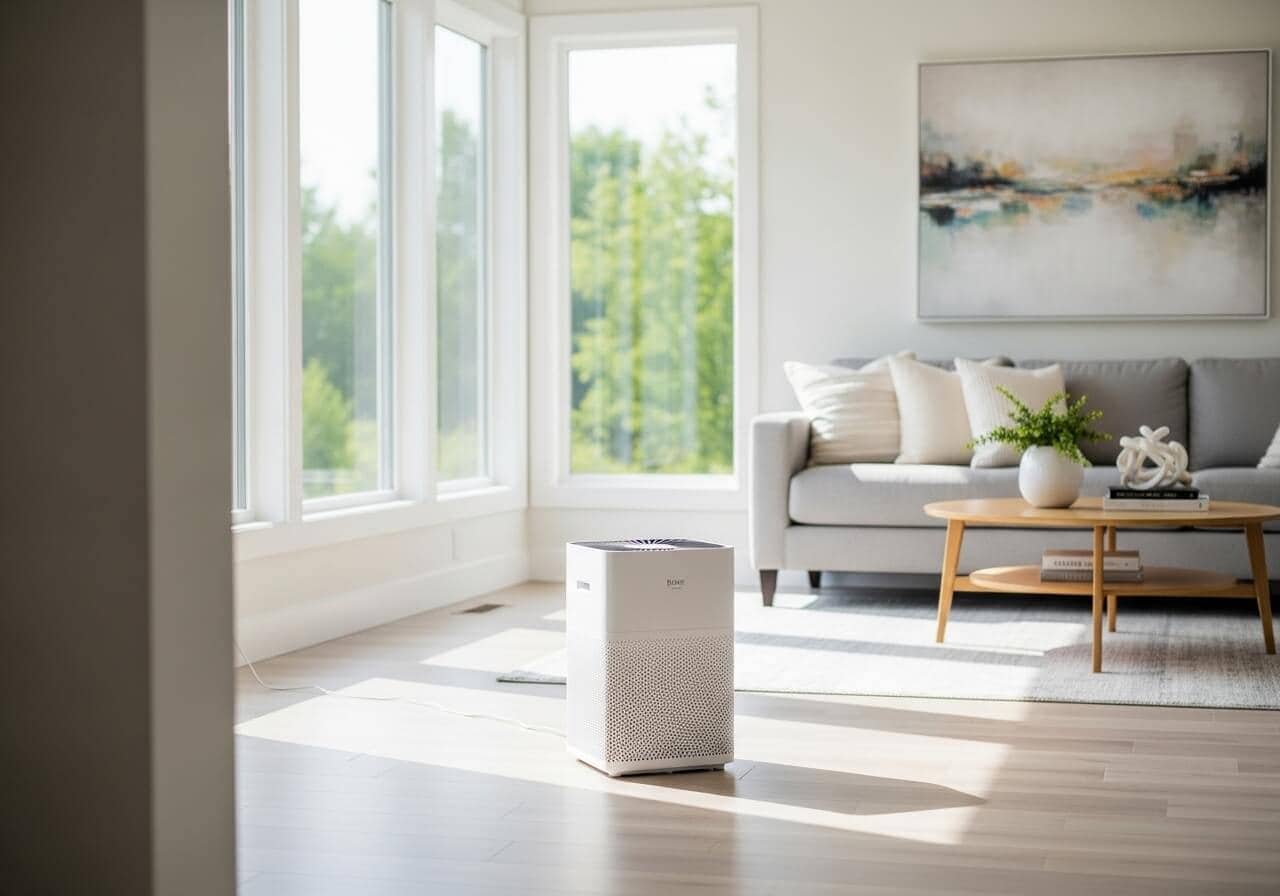
Air purifiers equipped with HEPA filters serve as your home’s dedicated air quality guardians, capturing particles as minuscule as 0.3 microns. This means they effectively trap dust, pollen, pet dander, and countless other airborne irritants that would otherwise circulate freely through your living spaces.
The key to maintaining these systems lies in regular filter maintenance. HVAC system filters typically need replacement every three months, though this can vary based on usage and environmental conditions. Similarly, vacuum cleaner filters require consistent attention to keep performing at their peak, a small investment in time that pays significant dividends in air quality.
Role of Humidity in Indoor Air Quality
Finding the sweet spot for indoor humidity, ideally between 30-50% creates an environment where your family can thrive while keeping unwanted guests like mold and dust mites at bay. When humidity climbs too high, these problematic organisms multiply rapidly, but when levels drop too low, you’ll likely experience respiratory irritation, dry skin, and annoying static electricity.
Dehumidifiers become invaluable allies in naturally damp areas like basements and bathrooms, while humidifiers step in to add necessary moisture during dry seasons or in naturally arid climates. Both tools help you maintain that crucial balance between too much and too little moisture.
Additional Tips for a Healthier Home
Establishing consistent cleaning routines forms the foundation of good indoor air quality. Regular dusting, vacuuming with HEPA-filtered equipment, and thorough mopping remove accumulated pollutants before they have a chance to become airborne again. The secret lies in consistency, frequent light cleaning prevents the buildup that requires more intensive interventions later.
Nature offers its own air-cleaning assistance through carefully chosen indoor plants. Species like spider plants, peace lilies, and snake plants naturally filter air by absorbing common household toxins. While they won’t replace your mechanical air cleaning systems, these green allies provide valuable supplementary benefits while adding life and beauty to your indoor spaces.
For those who prefer a data-driven approach, IAQ testing reveals exactly which pollutants are present in your home and at what concentrations. This information enables you to target your efforts precisely, addressing your specific air quality challenges rather than guessing at solutions.