
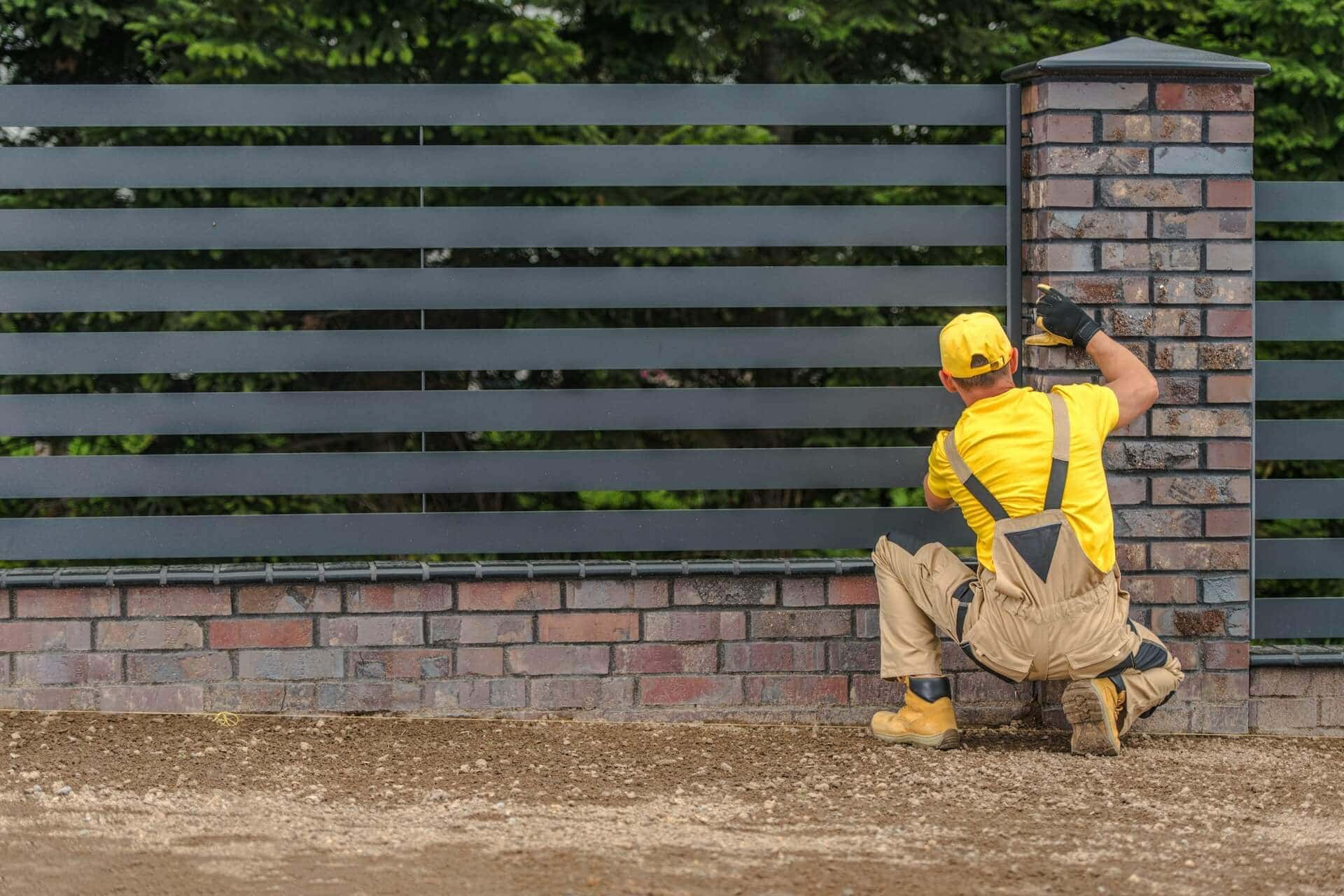
A fence isn’t just about marking your property line. It’s a key part of your home’s look and a practical way to boost security and privacy. Picking the right one means finding a good balance between what you need for security and what you want it to look like, especially when choosing property fencing. This guide will walk you through the main things to think about so you can choose a fence that makes your home safer and more stylish.
Understand Your Security Needs
Before you even start looking at materials or designs, figure out what you need your fence to do. Are you mainly trying to keep kids or pets safely in the yard? Or is your main goal to keep out intruders and get more privacy? Your answer will help you decide on the right height, material strength, and design for your fence.
If you just need to mark a boundary or keep small pets in, a shorter, decorative fence might be fine. But if privacy and security are your top concerns, you’ll want a taller fence, usually six feet or more. A solid fence panel will completely block the view into your yard, while a semi-private style offers some screening but still feels open. For strong security, tall, solid fencing with few places to grab onto is usually the best choice.
Popular Fencing Materials Compared
The material you pick changes not just how your fence looks, but also how long it lasts, how much upkeep it needs, and its cost. Each option has its own benefits.
- Wood: This is a classic choice that gives a natural, warm feel. You can stain or paint it to match your house. Wood is great for privacy but needs regular care, like sealing or staining, to stop it from rotting or getting damaged by weather.
- Vinyl (PVC): This is a low-maintenance alternative to wood. Vinyl is tough, won’t rot or warp, and just needs cleaning now and then. It comes in different styles, including privacy and picket designs, but you can’t customize the color as much as wood.
- Aluminum: Known for looking elegant and being strong without rusting. Aluminum fencing is good for security and pool enclosures because it’s hard to climb. It has an open, airy look and needs very little maintenance, making it a popular long-term choice.
- Chain-Link: This is a cheap and tough option that’s all about function. It’s not known for being pretty, but it’s very good for security and keeping things contained. You can add privacy slats to block the view. For more details, a full guide to choosing the right fence can help you compare the pros and cons of each material for your specific needs.
Design Considerations for Aesthetic Appeal
Your fence should go well with your home’s style, not clash with it. A modern house might look best with a sleek aluminum or horizontal wood plank fence, while a traditional cottage could be perfect with a classic white picket fence. Look at your home’s existing colors, materials, and lines. The goal is to make everything look consistent, so the fence feels like a natural part of the house.
Don’t forget the small things. Post caps, fancy gates, and even how far apart the pickets are can really change the overall design. You can also add plants, like climbing vines or shrubs, along the fence line to soften its look and add natural beauty and privacy.
Automated Gates: Convenience and Control
An automated gate is the perfect finishing touch for a security fence. It’s convenient and gives you better control over who comes onto your property. Instead of having to open and close a heavy gate by hand, you can use a remote, keypad, or even your phone. This is handy for driveway gates, letting you drive in and out without getting out of your car.
Modern systems offer strong security. You can connect them to your smart home system, letting you give temporary access to visitors or delivery services from anywhere. You can choose from swing gates that open inward or outward, or slide gates that move along the fence line, which are great for properties with limited space or sloped driveways.
Maintenance Tips for Longevity
To keep your fence looking good and working right for years, a little regular care makes a big difference. What you need to do depends on the material you pick. For wood fences, check them every year for rot or bug damage, and re-stain or repaint them every few years to protect them from the weather.
Vinyl and aluminum fences need much less work. Usually, they just need an occasional cleaning with soap and water to get rid of dirt. For all types of fences, it’s smart to regularly check that gates latch correctly and that posts are still firm in the ground, especially after big storms or cold weather. Fixing small problems early can prevent more expensive repairs later on.
A well-chosen fence is a significant investment that adds value, security, and beauty to your home. By really thinking about what you need and looking at all your options, you can find the perfect solution that you’ll enjoy for many years.