
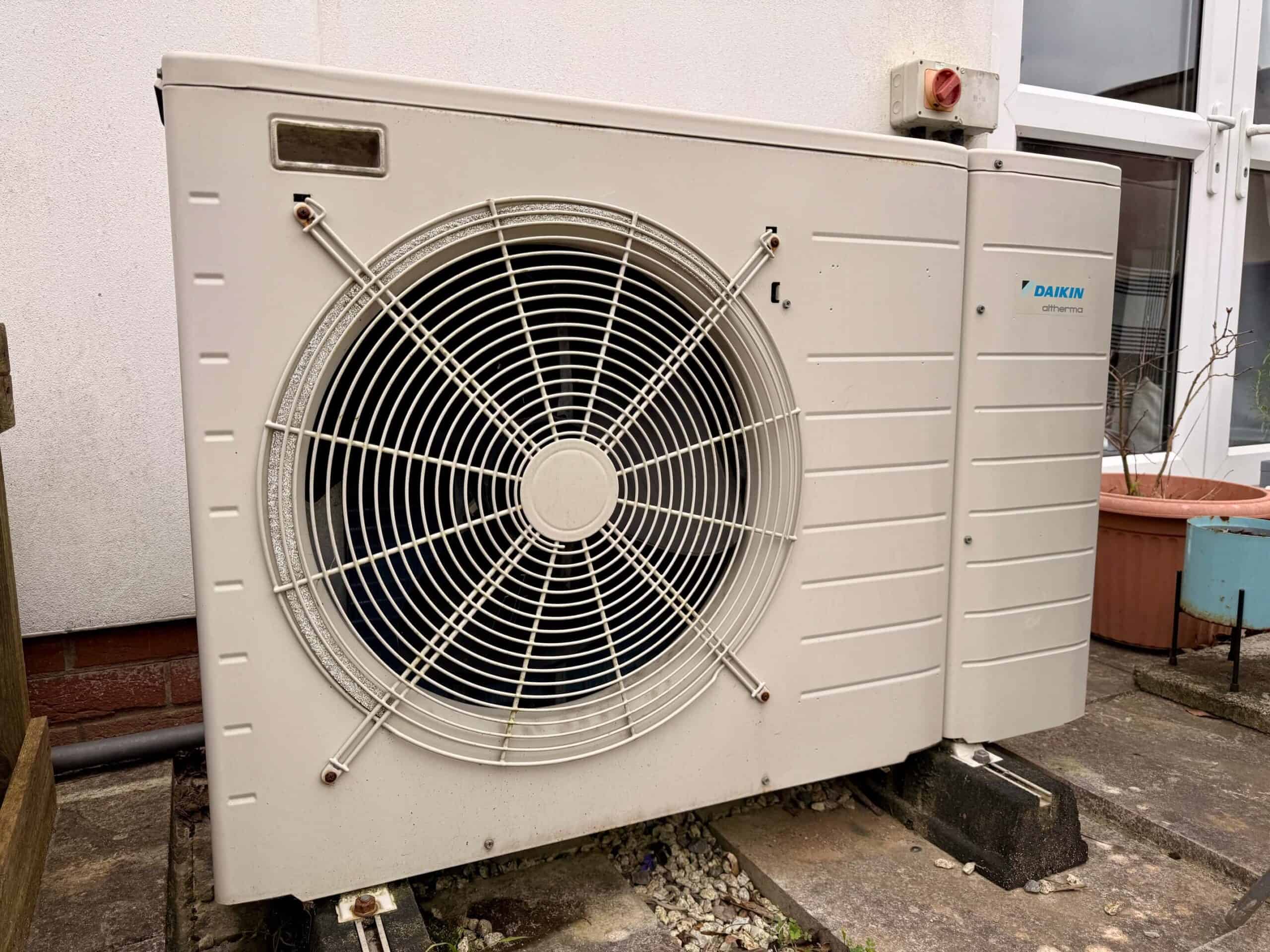
The Role of Servicing in Everyday Performance
Air-source heat pumps operate year-round. They provide heating in winter and hot water year-round. Because they operate so consistently, regular care is essential. Servicing is not about fixing faults after they occur. It is about maintaining steady performance over time. An air-source heat pump service plan supports this approach. It introduces routine checks that help systems run as intended. During regular operation, dust, moisture, and temperature changes affect components. Without servicing, these small factors can reduce efficiency. The change may be gradual and difficult to notice. Home comfort may feel uneven. Energy use may rise without explanation. Regular servicing helps prevent this. It ensures that airflow, electrical connections, and controls are checked at suitable intervals. These checks allow the system to respond accurately to household demand. A well-serviced heat pump delivers consistent warmth and reliable hot water. This makes daily living more comfortable. Servicing also helps homeowners better understand their systems. Clear feedback builds confidence and supports informed decision-making.
Preventing Small Issues From Becoming Major Problems
Most heating system failures start with minor issues. A loose connection or blocked filter may not seem serious at first. Over time, these problems can place strain on other components. This is where regular servicing proves its value. An air source heat pump servicing plan focuses on early detection. Engineers look for signs of wear or imbalance. They check refrigerant pressure, electrical safety, and system controls. Addressing minor concerns early reduces the risk of sudden breakdowns. This approach also helps avoid emergency repairs. Unplanned failures often occur during the colder months, when systems are under pressure. Regular servicing reduces this risk. It ensures stable operation when the system is most needed. From a practical perspective, prevention is easier than repair. It also limits disruption to the household. Scheduled servicing fits into everyday life more smoothly than unexpected faults. This makes system ownership more straightforward and more predictable.
Supporting Energy Efficiency and Lower Running Costs
Energy efficiency is a key reason homeowners choose air-source heat pumps. However, efficiency declines without proper care. Over time, dirt build-up and incorrect settings can reduce output. The system may need to work harder to deliver the same level of comfort. Regular servicing helps prevent this decline. An air source heat pump servicing plan includes performance checks. These confirm that the system is operating within expected parameters. Clean components allow better heat transfer. Correct calibration ensures the system responds efficiently to temperature changes. Maintaining efficiency helps control energy use. While servicing does not guarantee lower bills, it supports predictable consumption. It also allows homeowners to avoid unnecessary waste. In a broader context, efficient systems place less demand on the electricity grid. This supports more sustainable energy use. Regular servicing aligns with the original purpose of installing a heat pump. It helps maintain long-term efficiency rather than allowing gradual decline.
Extending the Lifespan of the System
Air-source heat pumps are designed to last for many years. Their lifespan depends heavily on maintenance. Components that are regularly checked and adjusted tend to last longer. An air-source heat pump service plan helps protect this investment. It ensures that parts are not exceeded. Servicing may identify components that are nearing the end of their service life. This allows for planned replacement rather than sudden failure. Planned maintenance is usually less disruptive. It also allows homeowners to budget more effectively. A system that is left unchecked may fail earlier than expected. Early replacement increases costs and waste. Regular servicing supports smoother operation across the system’s lifetime. It also helps maintain consistent performance as the system ages. Longevity is not just about avoiding breakdowns. It is about ensuring the system continues to meet household needs year after year.
Safety and Compliance Considerations
Although air source heat pumps are generally safe, they still involve electrical systems and pressurised refrigerants. Regular servicing helps ensure these elements remain secure. Engineers check wiring, connections, and safety controls. This reduces the risk of faults that could affect system operation. An air-source heat pump servicing plan also helps ensure compliance with manufacturer guidelines. Many warranties require evidence of regular servicing. Keeping accurate service records can be important if issues arise later. Service reports document the system’s condition. This can be useful for property sales or rental agreements. Safety checks also offer peace of mind. Homeowners can trust that their system is operating as intended. This confidence is vital in homes where the heat pump is the primary heating source.
Making Servicing Part of Long-Term Planning
Regular servicing should be viewed as part of long-term home maintenance. It is similar to servicing a boiler or maintaining a vehicle. An air source heat pump servicing plan provides structure. It removes uncertainty about when checks are needed. This makes system care easier to manage. However, servicing should always be approached thoughtfully. Homeowners should understand what is included and how often visits occur. Clear communication supports better outcomes. Servicing is not about obligation. It is about informed choice. When homeowners understand the benefits, servicing becomes a logical step rather than an added burden. Over time, regular care supports comfort, efficiency, and reliability. It enables air-source heat pumps to deliver on their promise as a dependable, low-carbon heating solution.