
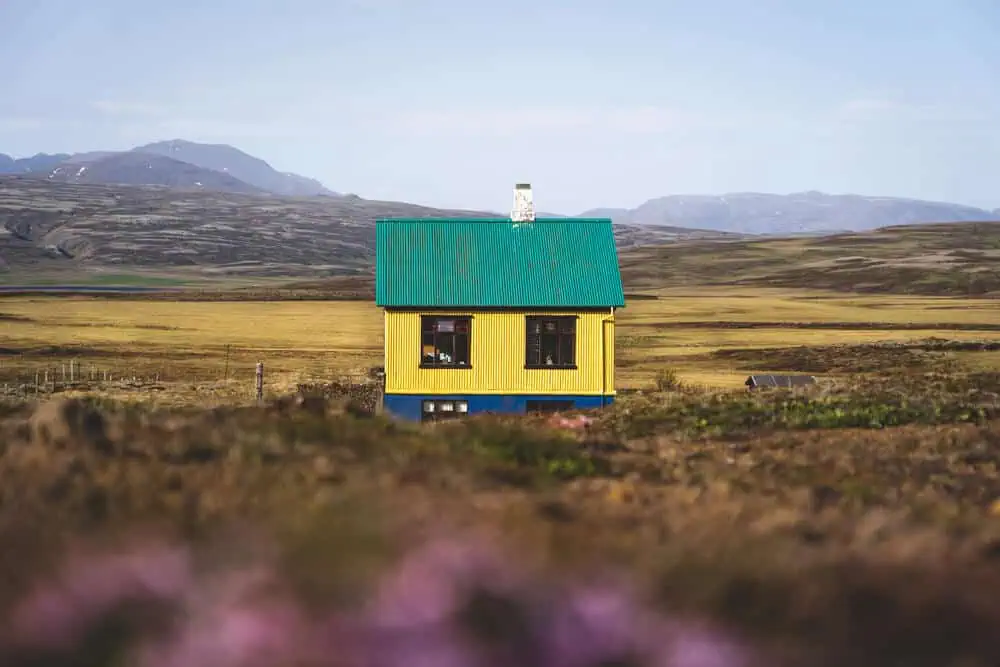
There are certainly many attractions to off-grid life, and there is a good reason that people go for this more and more as time goes on. If you are considering building an off-grid life, there are a number of aspects to it that you will need to consider to get it right. Building your own off-grid life is often imagined as a dramatic escape, a clean break from the noise, the bills, the invisible systems that quietly dictate how you live. In reality, it’s less of a leap and more of a steady reorientation. You’re not stepping out of the world so much as stepping into a more immediate relationship with it. Everything becomes tangible: your water, your warmth, your waste, your time.
Redefining What “Enough” Means
The first shift tends to be psychological. Off-grid living asks a quiet but persistent question: what do you actually need? Not in a philosophical sense, but in a daily, measurable way. How much power gets you through a day? How much water do you use without noticing? How warm is “warm enough”? In a conventional setup, excess is invisible. You flick a switch and more is always there. Off-grid, excess has weight. It needs generating, storing, and maintaining.
Power: Generating Your Own Rhythm
Electricity is usually the first practical hurdle. Solar panels are the most common entry point, and for good reason. They’re relatively accessible, scalable, and once installed, quietly dependable. But solar alone isn’t a complete solution unless your usage is tightly controlled. Battery storage becomes your buffer against uncertainty. It holds sunlight in reserve, turning a bright afternoon into a usable evening. Some people supplement with wind turbines or backup generators, especially in places where weather patterns are less predictable. What matters most isn’t just the technology, but the rhythm it imposes.
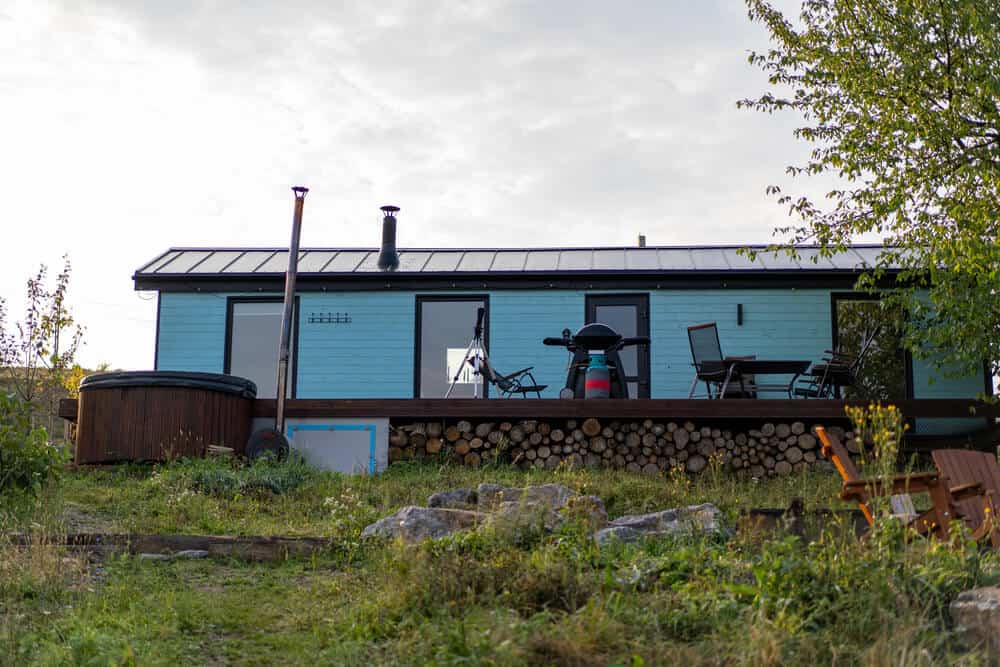
Heat and Cooking: The Heart of the Home
This is where stoves come into their own. A good stove is more than just a tool; it’s the centre of your living space. Whether it’s a wood-burning stove, a multi-fuel setup, or something more modern like a high-efficiency biomass unit, it anchors the home in a very physical way. There’s a rhythm to using a stove that’s hard to replicate with central heating. You gather fuel, you build a fire, you tend it. Heat isn’t an abstract setting on a thermostat – it’s something you create and maintain. The room warms gradually, carrying with it a sense of presence that electric heating rarely matches.
Waste: Closing the Loop
Waste management is often overlooked in early planning, but it quickly becomes one of the most defining aspects of off-grid life. Without municipal systems, you need to create your own solutions. Composting toilets are a common choice, turning what would be waste into something useful. Greywater systems allow water from sinks and showers to be filtered and reused, often for irrigation. Food waste can be composted, fed to animals, or minimized through careful planning.