
When embarking on home renovations, plumbing often stands as a silent hero, ensuring the smooth functioning of various household amenities. Whether updating an outdated bathroom or revamping the kitchen, plumbing considerations are pivotal in renovating. This article delves into the significance of plumbing in home renovations, offering practical tips and essential considerations to make your project successful.
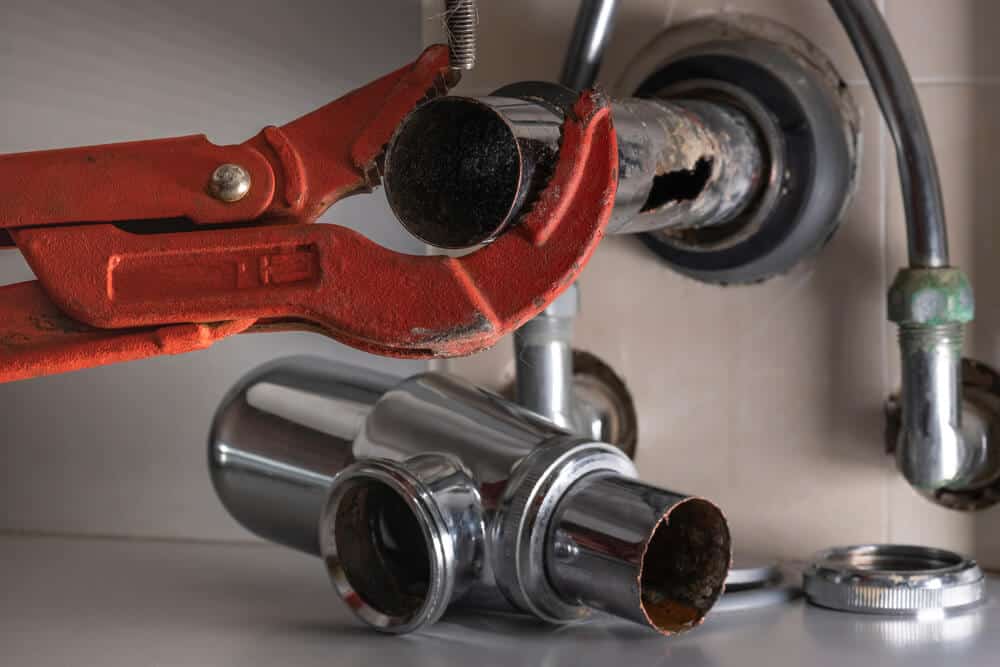
Understanding the Importance of Plumbing in Home Renovations:
Plumbing is the foundation of contemporary residences, enabling critical operations such as water supply, drainage, and gas systems. During renovations, any changes to the layout or fixtures require careful planning to ensure seamless integration with existing plumbing infrastructure. Neglecting plumbing considerations can lead to costly repairs, inconvenience, and even structural damage in the long run.
Tips for Successful Plumbing in Home Renovations:
- Plan Ahead: Before renovating, assess your plumbing needs and create a comprehensive plan. Consider factors such as fixture placement, pipe rerouting, and accessibility for maintenance. Seeking advice from a professional plumber can offer valuable perspectives and help avoid expensive errors.
- Upgrade Outdated Systems: Renovations offer an excellent opportunity to upgrade outdated plumbing systems and fixtures. Replace old pipes, faucets, and water heaters with energy-efficient alternatives to improve functionality and reduce utility bills in the long term.
- Choose Quality Materials: Opt for high-quality plumbing materials and fixtures with durability and longevity. Opting for well-known brands and certified products guarantees dependable performance and reduces the chances of future leaks or malfunctions.
- Consider Water Efficiency: Incorporate water-saving fixtures such as low-flow toilets, aerated faucets, and efficient showerheads to reduce water consumption and promote sustainability. These environmentally conscious improvements not only help the planet but also result in reduced water bills.
- Address Drainage Issues: Ensuring effective drainage is vital to avoid water damage and promote a healthy environment within your home. Address any existing drainage issues during renovations, such as clogged or improperly sloped drains, to mitigate the risk of flooding or mold growth.
- Ensure Compliance with Building Codes: Get acquainted with the local building codes and regulations that oversee plumbing installations. Ensure that your renovation plans comply with these standards to avoid potential legal issues and ensure the safety and integrity of your home.
- Allocate Sufficient Budget: Ensure an ample budget allocation for plumbing renovations, as they typically consume a substantial portion of the overall budget. Allocate sufficient funds for plumbing upgrades and unforeseen expenses to prevent budget overruns and delays in the project timeline.
- Seek Professional Guidance: Bring in a skilled plumbing technician at the beginning stages of your renovation project. A skilled professional can assess your plumbing needs, offer tailored solutions, and identify potential challenges before they escalate. Their knowledge and experience can streamline the renovation process and ensure that plumbing installations meet industry standards and best practices.
- Prioritize Safety: When renovating plumbing, prioritizing safety is paramount. Enlist the services of a licensed plumbing technician for tasks involving gas lines, water heaters, or central pipe installations. Adhering to safety protocols and regulations minimizes the risk of accidents, leaks, or hazardous conditions within your home.
- Inspect Existing Infrastructure: Before making any structural changes or installations, thoroughly inspect your home’s plumbing infrastructure. Identify any signs of corrosion, leaks, or deterioration that may require attention. Addressing underlying issues proactively can prevent costly repairs and ensure the reliability of your plumbing system for years to come.
- Consider Future Needs: When planning your plumbing renovations, anticipate future needs and lifestyle changes. Consult with your plumbing technician about incorporating additional water outlets, rough-ins for future fixtures, or accessibility modifications for aging in place. By designing with foresight, you can future-proof your home and avoid the need for costly retrofits down the line.
- Maintain Open Communication: Foster clear communication channels with your plumbing technician throughout the renovation process. Work together closely to review project timelines, milestones, and potential changes to the initial plan. Address issues or inquiries promptly to maintain project progress and ensure it aligns with your desired outcomes.

Conclusion:
In conclusion, plumbing is critical in home renovations, influencing our living spaces’ functionality, efficiency, and comfort. By following the advice and suggestions in this article, you can effectively handle plumbing difficulties and attain successful results in your renovation projects. Thoughtful planning and meticulous attention to detail are essential for a seamless and fulfilling renovation journey.