
Blocked drains are a common problem that can cause significant inconvenience and potential damage to your home. While some causes of drain blockages are well-known, such as hair and grease, other culprits may surprise you. Identifying these unexpected items can help you prevent future blockages and maintain the health of your plumbing system. Let’s explore these unexpected household items that could be clogging your drains.

Food Scraps
Food scraps are a frequent cause of kitchen sink blockages. Even with a garbage disposal, certain types of food can create problems. Starchy foods like pasta and rice swell with water, leading to clogs. Additionally, coffee grounds and eggshells do not break down easily and can accumulate in your pipes.
To avoid this, scrape leftover food into the bin before washing dishes. Installing a sink strainer can also help catch smaller food particles, preventing them from entering your drains.
Paper Products
While it may seem convenient to flush paper towels, wipes, or even facial tissues, these items can quickly lead to blockages. Unlike toilet paper, which is designed to break down in water, these other paper products remain intact and can cause significant clogs. To help maintain your plumbing, choose the best toilet paper for plumbing, as it’s specifically made to dissolve easily.
Always dispose of paper products in the bin rather than flushing them. This simple habit can save you from the hassle of dealing with blocked drains in London or anywhere else.
Soap Scum
Soap scum is another unexpected culprit. Traditional bar soaps, especially those made with animal fat, can leave behind a residue that builds up over time. This residue combines with hair and other debris, creating stubborn clogs in bathroom drains.
To mitigate this issue, consider switching to liquid soap or using a soap-free cleanser. Regularly cleaning your drains with a mixture of hot water, vinegar, and baking soda can also help break down any soap scum buildup.
Small Objects
Small objects can easily find their way into your drains, particularly in homes with young children. Toys, jewellery, and other small items can cause significant blockages. These objects not only block the flow of water but can also catch other debris, making the clog worse.
Preventing these blockages involves being vigilant about what goes near your sinks and drains. Using drain covers in sinks and bathtubs can help catch small items before they become a problem. If you encounter a severe blockage, it might be time to call the professionals at Drain Detectives for expert help. They provide comprehensive services for blocked drains in London, ensuring your plumbing system is in top shape.
Hair
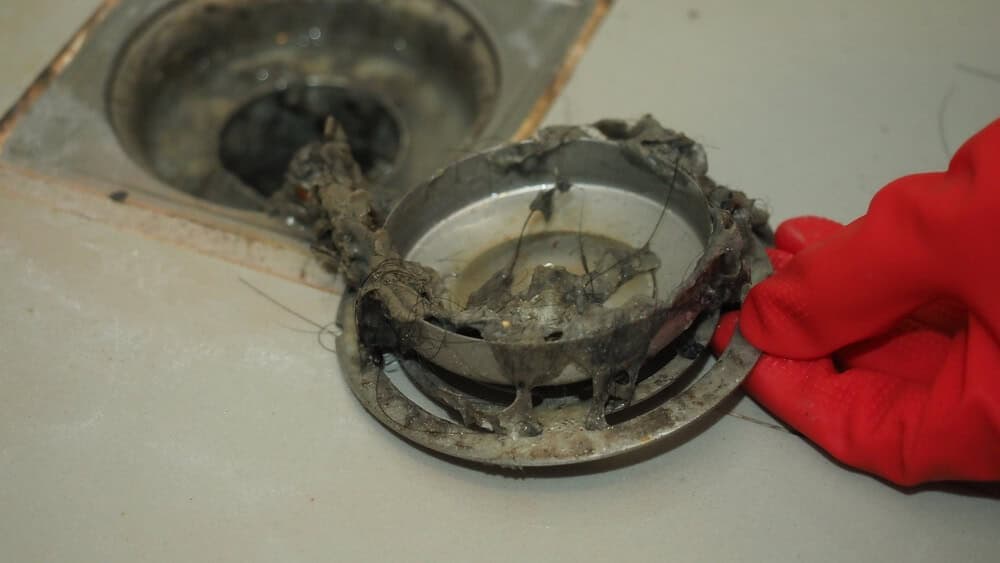
Hair is a common cause of drain blockages, especially in bathroom sinks and showers. When hair goes down the drain, it can mix with soap scum and other debris, forming a clog. Over time, this blockage can become more severe, restricting the flow of water and potentially causing backups.
To prevent hair from clogging your drains, use a drain cover or hair catcher. These inexpensive devices can be placed over the drain to trap hair before it enters the pipes. Regularly cleaning the drain cover and disposing of trapped hair can help keep your drains clear.
Grease and Fat
Grease and fat are notorious for causing kitchen sink blockages. When hot, grease and fat are liquid and can easily be poured down the drain. However, as they cool, they solidify and adhere to the insides of the pipes, creating a sticky blockage that can trap other debris.
Instead of pouring grease down the sink, allow it to cool and solidify in a container before disposing of it in the bin. Additionally, wiping greasy pans with a paper towel before washing can reduce the amount of fat entering your drain.
Cotton Swabs and Cotton Balls
Cotton swabs, cotton balls, and other similar products can also contribute to drain blockages. These items do not break down in water and can easily get caught in the pipes, leading to a blockage.
To avoid this issue, always dispose of cotton products in the bin rather than flushing them down the toilet or washing them down the sink. This small change in habit can prevent significant plumbing issues.
Dental Floss
Dental floss is another unexpected item that can clog your drains. Although it may seem small and harmless, dental floss does not break down in water and can wrap around other debris in the pipes, creating a large blockage over time. Dispose of dental floss in the bin after use. Educating everyone in your household about the importance of proper disposal can help prevent future blockages.
Maintaining clear drains involves being mindful of what you allow to enter your plumbing system. By taking these preventive measures, you can avoid the inconvenience and expense of dealing with blocked drains.
If you find yourself facing a persistent blockage, don’t hesitate to seek professional help. For those in London, the experts at Drain Detectives are equipped to handle all your plumbing needs, ensuring your drains remain clear and functional. Keeping your plumbing system in top shape can save you time, money, and the frustration of dealing with clogs.
Feminine Hygiene Products
Feminine hygiene products, including tampons and sanitary pads, should never be flushed down the toilet. These products are designed to absorb moisture and expand, making them highly likely to cause blockages in your plumbing system.
To prevent this issue, always wrap used products in toilet paper and dispose of them in the bin. Ensure there are clear signs or reminders in bathrooms to encourage proper disposal methods, particularly if you have guests who might not be aware of your home’s plumbing sensitivities.
Baby Wipes and Wet Wipes
Despite being marketed as ““lushable,””many baby wipes and wet wipes do not break down easily in water. These wipes can combine with other debris in the pipes, creating tough clogs that are difficult to remove.
To avoid this, place a small bin in the bathroom for disposal of wipes and make it a rule to never flush them. Educating family members and guests about the problems wipes can cause will help maintain your drains.
Paint and Cleaning Products
Pouring paint, solvents, or harsh cleaning products down the drain can cause clogs and damage your plumbing system. These substances can harden and stick to the pipes, creating blockages that are difficult to remove.
Dispose of paint and solvents through a hazardous waste collection service. For cleaning products, always follow the disposal instructions on the label. Avoid pouring any harsh chemicals down the drain, as they can also harm the environment.
Regular maintenance and mindful disposal habits are crucial for keeping your drains clear and functional. Understanding the unexpected items that can cause blockages helps in taking proactive measures to prevent plumbing issues.