
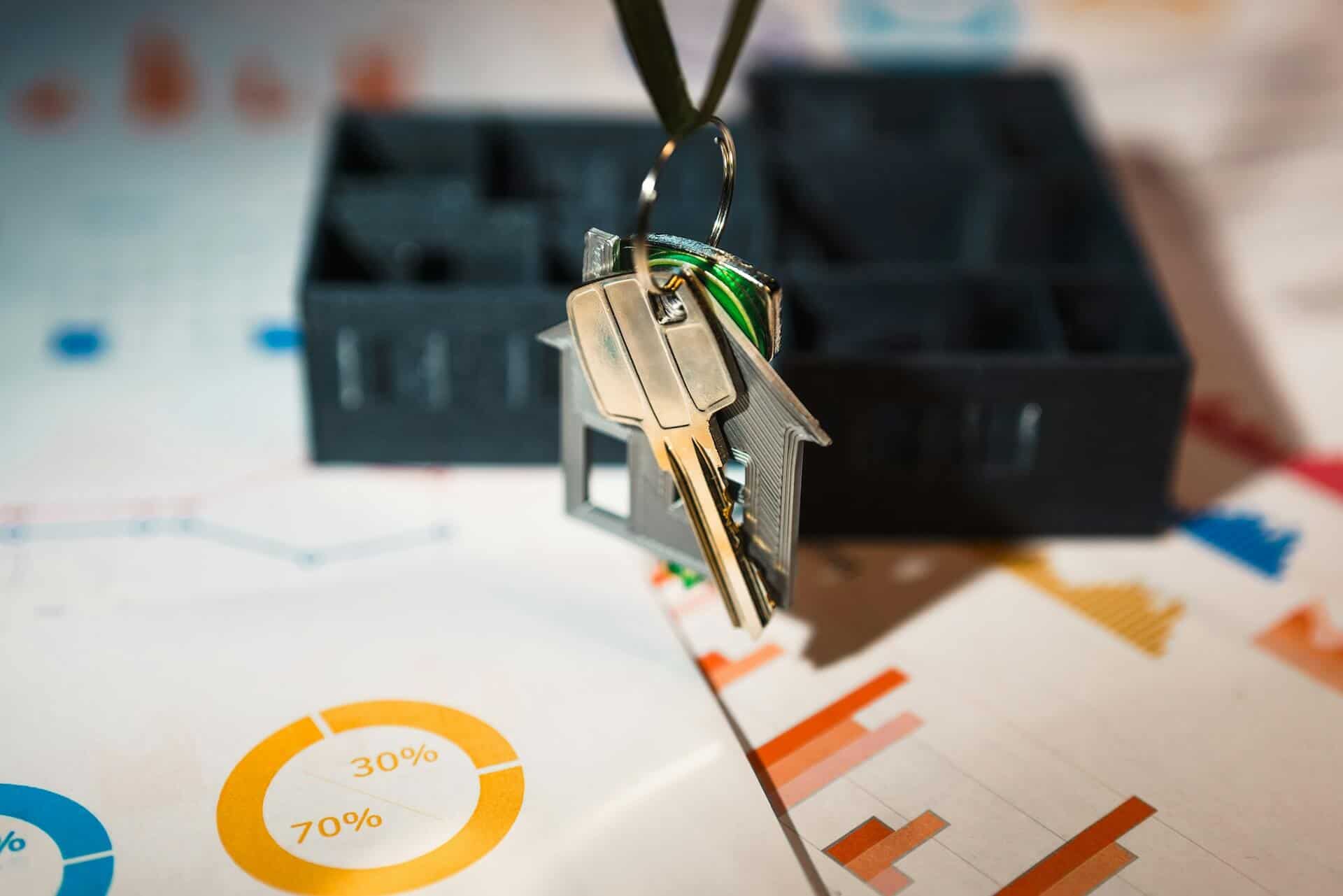
Making smart moves in real estate often comes down to one thing: having better information than the next person. While it’s easy to pull up a quick estimate online, truly maximizing your returns requires digging deeper into the data that determines a home’s actual worth, especially if you want to increase home value quickly. Relying on surface-level numbers can leave money on the table, whether you’re buying your first home or investing in your tenth property.
Understanding what drives value and where to find accurate information helps you turn a good deal into a great one. It’s about moving past the guesswork and making choices based on solid evidence. Understanding how to leverage property data can transform your real estate investment strategies, guiding you toward more profitable decisions and sustained success.
Beyond Zillow: Getting True Value
Automated valuation models (AVMs) like the Zestimate from Zillow have become a go-to starting point for many people. They are fast, free, and give you a general idea of what a property might be worth. However, these tools have significant limitations. They primarily rely on algorithms that analyze public records, such as tax assessments and recent sales of nearby homes.
Automated valuation models cannot see what is hidden in the basement or identify issues that aren’t included in public records. These estimates are a useful first glance, but for a true market value, they should never be the final word in determining a property valuation. An AVM also cannot recognize details that affect a home’s value. It doesn’t know if the “comparable” house down the street sold low because it was a foreclosure or if it backed up to a noisy highway.
Data-Driven Investment Choices
To find the best investment opportunities, you need to look beyond the individual house and analyze the health of the entire neighborhood or city. This means looking at data points that signal growth and stability. Key factors include:
- Job Market Growth: Are companies moving into the area and creating jobs? A strong local economy supports higher property values.
- School District Ratings: For many families, school quality is a top priority and directly impacts home prices.
- Infrastructure Projects: Is the city investing in new parks, public transit, or roads? These improvements can make a neighborhood more desirable.
The practice of using data analytics for real estate investing helps investors spot these trends before they become common knowledge, giving them an edge in finding undervalued properties with high growth potential.
Accurate Valuations for Better Deals
When the stakes are high, a ballpark estimate isn’t enough. For a definitive and defensible number, nothing beats a professional property valuation. Unlike an automated tool, a certified appraiser conducts a thorough, in-person inspection of the home. They measure the square footage, assess the condition of the property, and note any recent upgrades or necessary repairs.
This detailed analysis is then compared with carefully selected recent sales of similar homes, adjusted for differences in features and condition. The result is a comprehensive report that provides a clear, unbiased assessment of the property’s value. This document is essential when securing a mortgage, challenging a tax assessment, or setting a competitive list price that attracts serious buyers.
Negotiating With Confidence
Entering a negotiation armed with accurate data completely changes the dynamic. Instead of relying on emotion or guesswork, you can present a logical case for your offer or asking price. If you’re a buyer and your valuation comes in lower than the seller’s price, you have a powerful tool to justify your lower offer. You can point to specific comparable sales or property conditions that support your number.
Conversely, if you’re a seller, a strong valuation report can help you hold firm on your price. It shows potential buyers that your asking price isn’t arbitrary but is based on a detailed, professional analysis. This data-backed approach is a core part of many successful real estate negotiation strategies and helps ensure you get the best possible outcome.
Ultimately, using accurate data isn’t just about numbers; it’s about confidence. When you know what a property is truly worth, you can act decisively and secure a better return on your investment.