
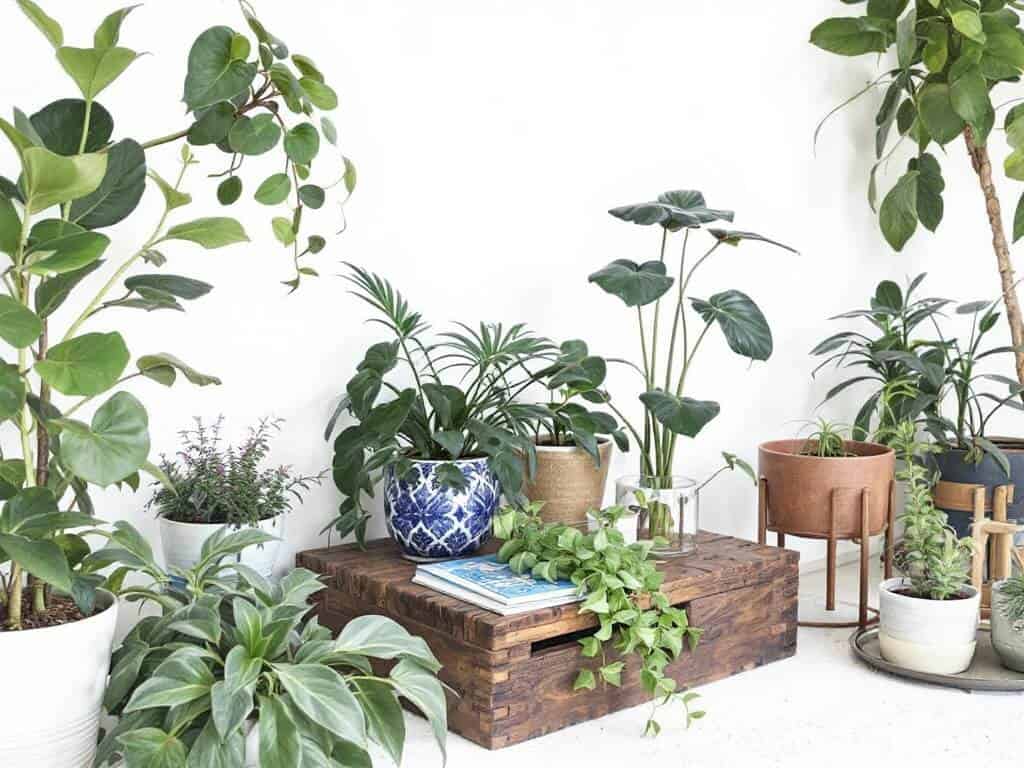
Have you ever walked into a room and instantly felt at ease? Chances are, some elements of biophilic design were at play. It’s all about weaving nature’s beauty into our homes, and trust me, it’s more than just a fad. With our chaotic lives, creating a sanctuary that echoes the great outdoors is like a balm for the soul. Whether you’re a seasoned plant whisperer or a green thumb newbie, integrating plants into home spaces or embracing garden-to-kitchen ideas can be a game-changer.
The Magic of Biophilic Design
Biophilic design isn’t just a buzzword. It’s a lifestyle. By inviting nature into our homes, we can boost our mood, improve air quality, and even enhance productivity. But how do you get started? Let’s dive in!
Integrating Plants into Home Spaces
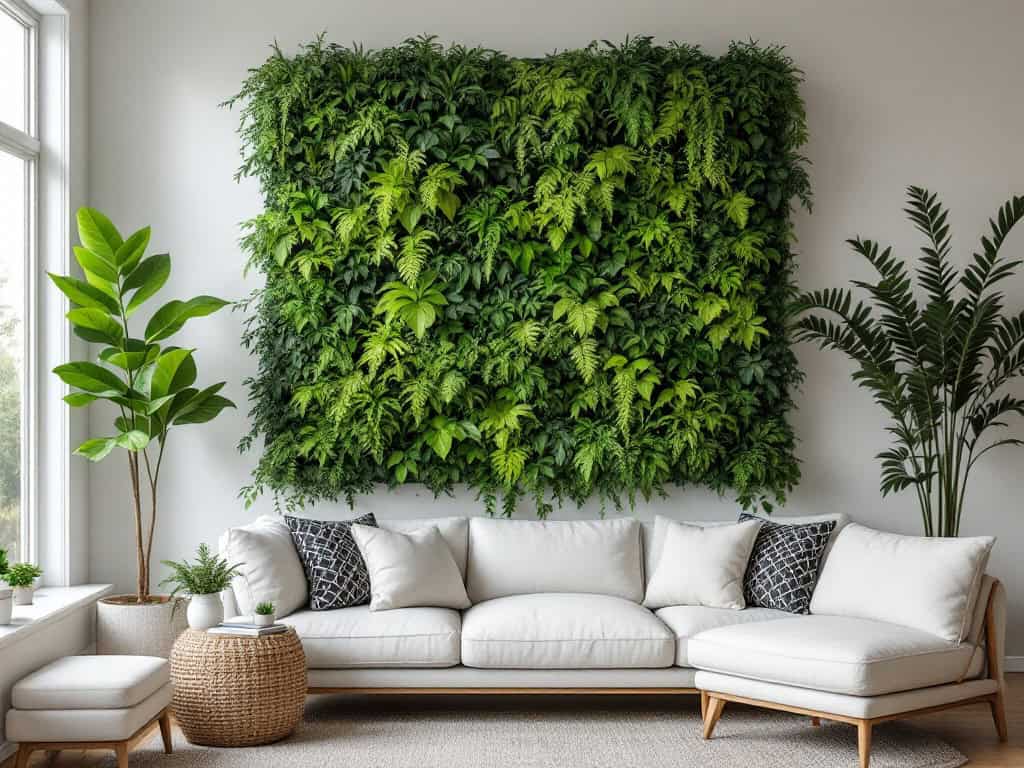
1. Living Walls: A Vertical Garden Oasis
- What are they? Living walls, or vertical gardens, are panels of plants grown vertically using hydroponics.
- Why consider them? They’re perfect for small spaces, purify the air, and add a splash of green to your interior.
- How to start? Choose the right wall, consider light conditions, and select plants like ferns, pothos, or succulents that thrive vertically.
2. Indoor Plant Arrangements: A Breath of Fresh Air
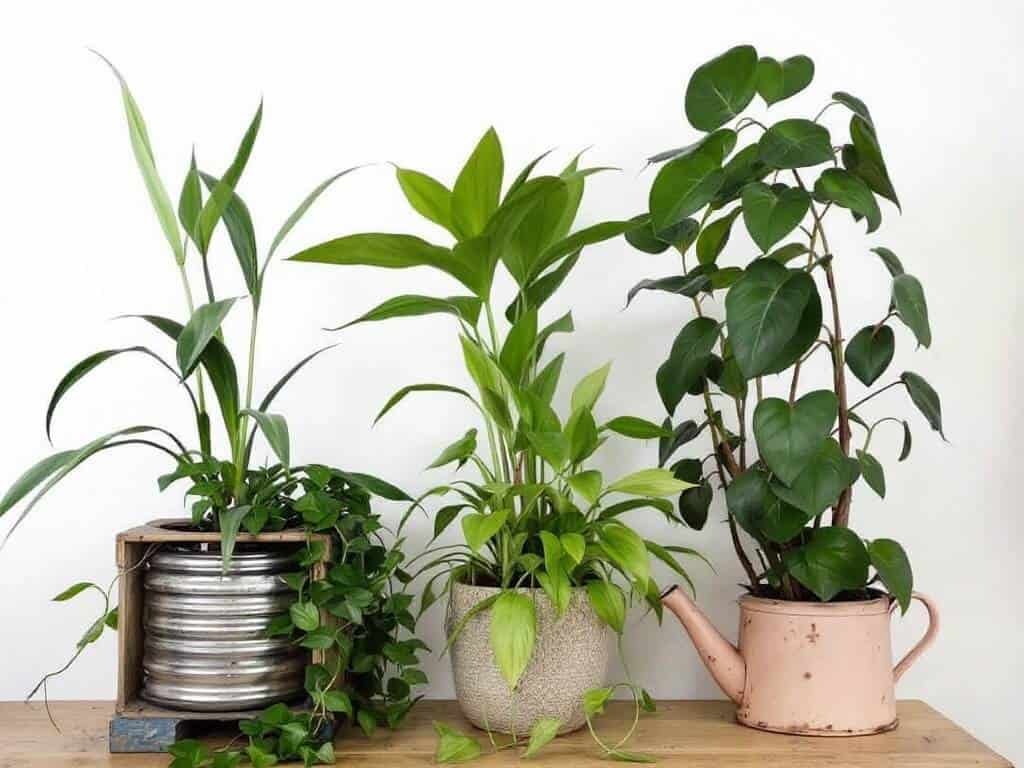
- Mix and Match: Group plants with varying heights and textures. Think tall snake plants paired with trailing pothos.
- Container Creativity: Use unique containers like vintage teapots or wooden crates for a rustic touch.
- Light Matters: Match plants to the available light. For low-light, consider ZZ plants or peace lilies.
3. Biophilic Design: Post about integrating plants into home spaces or garden-to-kitchen ideas.
Plants can transform any space, but finding the right fit is key. Here are some tips:
- Identify Your Space: Determine where you want to add greenery—living room, kitchen, or even bathroom.
- Consider Functionality: Use herbs in the kitchen for easy access when cooking.
- Think Vertical: Use hanging plants or tall shelves for a layered effect.
Garden-to-Kitchen Ideas
1. Herb Gardens: Fresh Flavors at Your Fingertips
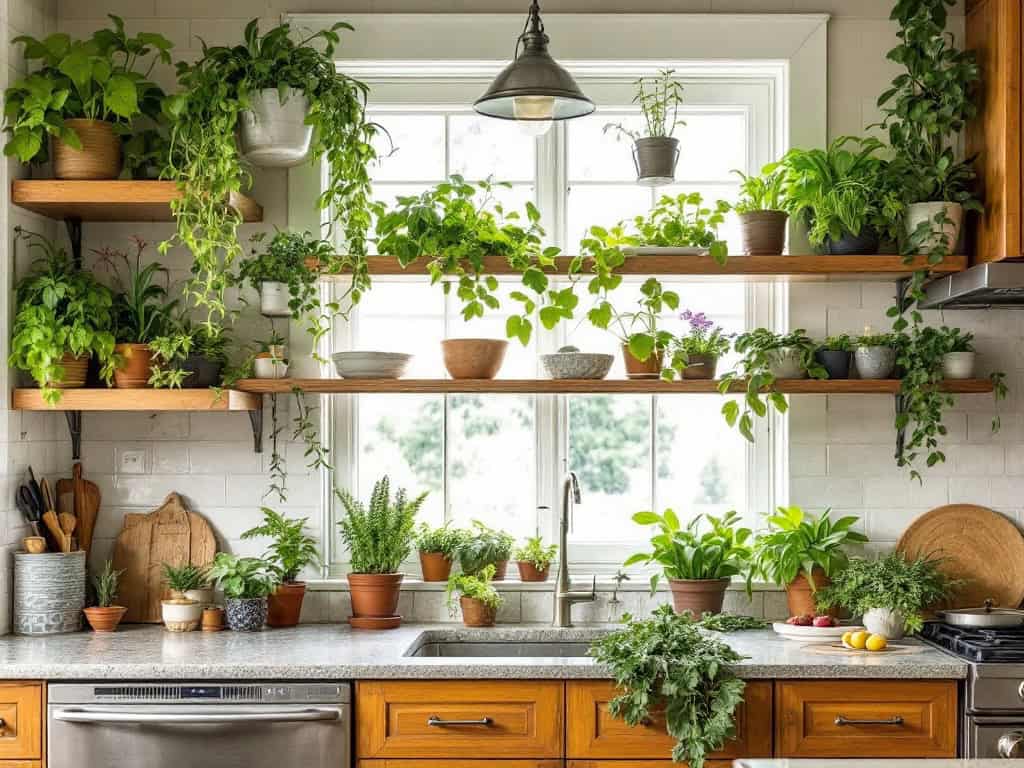
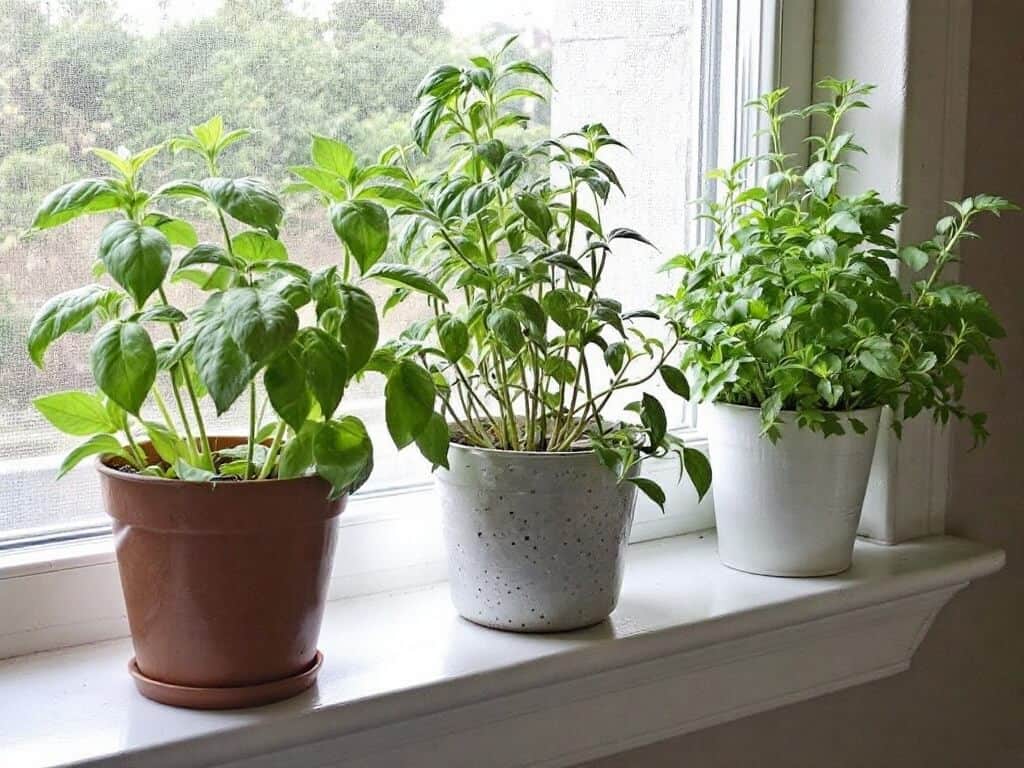
- Windowsill Wonders: Grow basil, mint, or cilantro on your kitchen windowsill for easy access.
- DIY Herb Wall: Install a pegboard with small pots for a vertical herb garden.
- Self-Watering Planters: If you’re forgetful about watering, these are lifesavers.
2. Vegetable Gardens: From Soil to Salad
- Container Gardening: Perfect for small spaces, grow tomatoes, peppers, or lettuce in pots.
- Raised Beds: If you have a backyard, consider raised beds for easy maintenance.
- Companion Planting: Grow plants that benefit each other, like tomatoes with basil.
3. Biophilic Design: Integrating Plants into the Kitchen
Transform your cooking space with these ideas:
- Rustic Garden Vibe: Use wooden crates or metal buckets for a farmhouse feel.
- Seasonal Rotation: Change up herbs and veggies with the seasons for variety.
- Functional Decor: Let your plants double as decor, adding both beauty and practicality.
Final Thoughts
Biophilic design isn’t just about aesthetics; it’s about creating a nurturing environment that connects us with nature. Whether you’re filling your living room with lush greenery or growing herbs in your kitchen, these ideas can transform your home into a peaceful retreat. Remember, the goal is to create harmony between your indoor space and the natural world outside. So, roll up your sleeves and let’s bring a touch of nature into your everyday life!
FAQs
What is biophilic design?
Biophilic design is a concept that incorporates natural elements into modern architecture to enhance well-being.
How do I choose the right plants for my space?
Consider the light, humidity, and temperature of your space. Research plant needs and choose accordingly.
Can I create a garden-to-kitchen space in a small apartment?
Absolutely! Use windowsills, vertical gardens, or hanging pots to maximize space.
Style Guide


