

Imagine stepping out into your backyard, greeted by the gentle clucking of happy chickens pecking at the grass and soil. This idyllic scene is not just a dream but a reality for many homesteaders who have embraced the art of raising free-range chickens.
As more people seek sustainable living options and a closer connection to their food sources, free-range chicken farming has gained popularity. But what exactly does it entail, and how can you start your own flock?
In this post, we’ll explore the world of free-range chicken raising, from selecting the right breeds to creating a safe and nurturing environment for your feathered friends. We’ll also discuss the benefits of free-range chickens for both your homestead and the environment. Whether you’re a seasoned farmer or a curious beginner, this guide will provide valuable insights into sustainable chicken keeping.
Choosing the Right Chicken Breeds
When it comes to raising free-range chickens, selecting the right breeds is crucial. Some chickens are better suited for free-ranging than others due to their foraging abilities, temperament, and adaptability to various climates.
Popular free-range chicken breeds include:
- Rhode Island Reds
- Australorps
- Orpingtons
- Plymouth Rocks
- Wyandottes
These breeds are known for their hardiness, good egg production, and friendly dispositions. However, if you’re looking for something a bit more unique, you might consider easter egger baby chicks. These chickens are known for their colorful eggs, which can range from blue to green to pink, adding a fun and vibrant touch to your egg basket.
When choosing your chickens, consider factors such as:
- Climate adaptability
- Egg production rates
- Meat quality (if raising for dual purposes)
- Temperament and sociability
- Foraging abilities
| Tip: Start with a small flock of 3-5 chickens to learn the basics of chicken keeping before expanding your flock. |
Creating a Safe Free-Range Environment
While free-range chickens enjoy more freedom than their caged counterparts, they still need protection from predators and a safe place to roost at night. Here are some key elements to consider when setting up your free-range chicken area:
Secure Coop
Your chickens need a sturdy, well-ventilated coop for sleeping and laying eggs. The coop should provide:
- At least 4 square feet of space per chicken
- Roosting bars for sleeping
- Nesting boxes for egg-laying
- Proper ventilation to prevent moisture buildup
- Predator-proof construction with secure locks
Fencing
While free-range chickens can roam freely during the day, it’s essential to have some fencing to keep them within a designated area and protect them from predators. Consider:
- Portable electric fencing for flexibility
- Permanent fencing with buried wire to deter digging predators
- Natural barriers like hedges or bushes
- Predator Protection
Free-range chickens are more vulnerable to predators, so take extra precautions:
- Install motion-activated lights around the coop
- Use guardian animals like dogs or geese
- Provide hiding spots like bushes or small structures in the ranging area
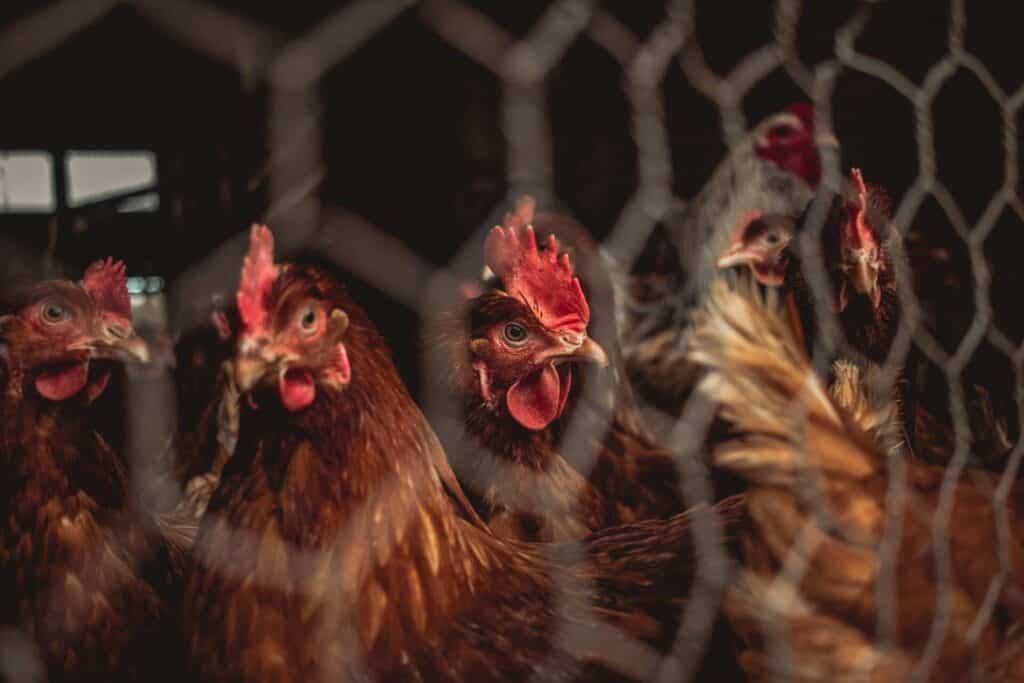
Image by Nighthawk Shoots on Unsplash
| Fact: Free-range chickens typically have lower stress levels and exhibit more natural behaviors compared to caged chickens, leading to healthier and happier birds. |
Feeding and Caring for Free-Range Chickens
While free-range chickens can forage for a significant portion of their diet, they still require supplemental feeding and care to ensure optimal health and egg production.
Feeding
Provide your chickens with:
- A balanced commercial feed appropriate for their age and purpose (layer feed for egg-laying hens, for example)
- Access to fresh, clean water at all times
- Grit to help with the digestion of foraged foods
- Kitchen scraps and garden waste as treats (avoid foods that are toxic to chickens)
Health Care
Regular health checks and preventive care are essential:
- Conduct weekly health checks, looking for signs of illness or injury
- Provide dust baths to help control parasites
- Implement a deworming schedule as recommended by a veterinarian
- Keep the coop clean and dry to prevent disease
Egg Collection
Collect eggs daily to ensure freshness and cleanliness. Provide one nesting box for every 4-5 hens to prevent competition and egg breakage.
- Use soft, clean bedding in the nesting boxes to cushion eggs and prevent cracking.
- Gather eggs in the morning when most hens lay to reduce the risk of damage or contamination.
- Wash soiled eggs gently with warm water, and store them in a cool, dry place or refrigerate promptly.
- Regularly check for hidden nesting spots in free-range setups to avoid missed eggs.
| Action: Establish a daily routine for chicken care, including feeding, water checks, egg collection, and a quick health assessment of your flock. |
Benefits of Raising Free-Range Chickens
Raising free-range chickens offers numerous benefits for both the homesteader and the environment.
Higher-quality eggs and meat
Free-range chickens typically produce eggs and meat with better nutritional profiles due to their varied diet and increased exercise, often resulting in richer yolks and healthier protein.
Natural pest control
Chickens are excellent at controlling insects and weeds in your garden or yard, creating a natural solution to reduce pests without chemicals.
Soil improvement
Chicken droppings and scratching behavior help to fertilize and aerate the soil, enhancing its structure and nutrient content over time.
Reduced feed costs
Free-range chickens supplement their diet with foraged foods, potentially lowering your feed expenses while keeping them healthy.
Improved animal welfare
Free-range chickens can express natural behaviors, leading to happier and healthier birds that thrive in a more humane environment.
Educational opportunities
Raising chickens can be an excellent learning experience for children and adults alike, teaching responsibility, self-sufficiency, and sustainability.
By raising free-range chickens, you’re not just providing for your family; you’re also contributing to a more sustainable and ethical food system. With proper planning and care, your backyard flock can become an integral part of your homestead life, providing fresh eggs, natural pest control, and a deeper connection to the land.

Image by Elena Mozhvilo on Unsplash
Embrace the Rewards of Free-Range Chicken Keeping
Raising free-range chickens offers numerous benefits, including higher-quality eggs and meat, natural pest control, soil improvement, and educational opportunities. With proper care and management, free-range chickens can be a valuable addition to any sustainable homestead.
As you embark on your journey of raising free-range chickens, remember that patience and adaptability are key. Each flock is unique, and you’ll learn and grow alongside your chickens. Embrace the challenges and joys of chicken keeping, and enjoy the rewards of a more sustainable and self-sufficient lifestyle.