
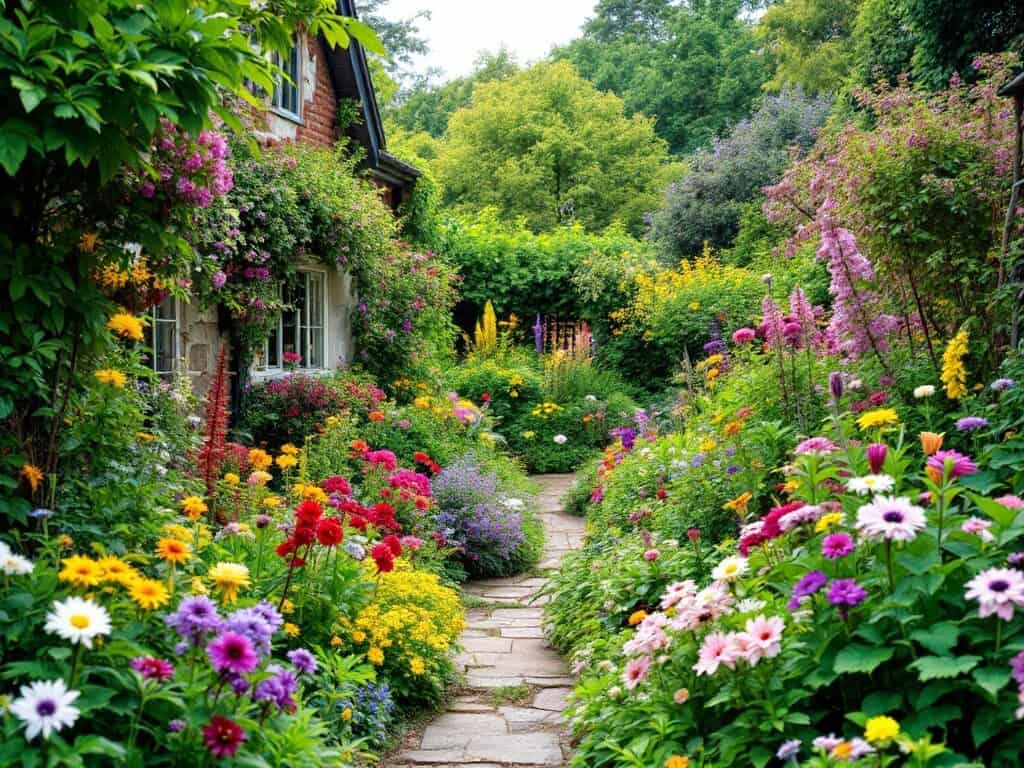
Designing Your English Country Garden
There’s something inherently enchanting about an English country garden. With its vibrant colors, delightful fragrances, and a sense of whimsy, this style of gardening invites us to slow down and appreciate the beauty of nature. Whether you are a seasoned gardener or a novice looking to cultivate your green thumb, creating your own English country garden can be a rewarding experience.
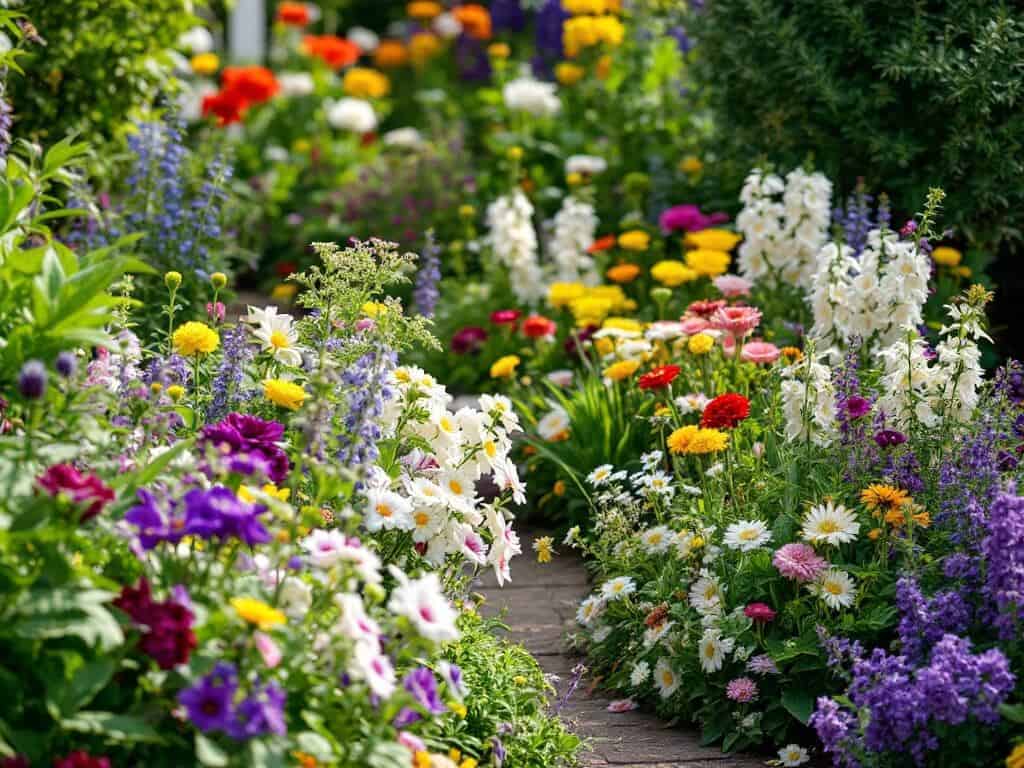
Let’s explore the essential elements that make these gardens so special. How you can incorporate them into your outdoor space, and the tools needed that can enhance your gardening journey.
The Cottage Garden Aesthetic
At the heart of an English country garden is the concept of the cottage garden. This style is characterized by an informal layout and a delightful mix of flowers, herbs, and vegetables. The beauty of a cottage garden lies in its charming imperfections, where plants grow in abundance and intertwine with one another. To achieve this look, consider planting a variety of perennials and annuals that will bloom throughout the seasons, providing a continuous display of color.
Choosing the Right Plants
When selecting plants for your garden, think about incorporating traditional favorites such as roses, foxgloves, and hollyhocks. These classic blooms not only add beauty but also evoke the quintessential English garden feel. Climbing plants like clematis and wisteria can be trained to grow on trellises or arches, creating stunning vertical displays that draw the eye upward and add depth to your garden.

Don’t forget about herbaceous borders! These borders are a fantastic way to frame your garden and provide a backdrop for seasonal blooms. Mixing different heights and colors will create a lush, layered effect. Consider adding delphiniums for height and vibrant color, while also including lower-growing plants to fill in the gaps.

Wildflowers
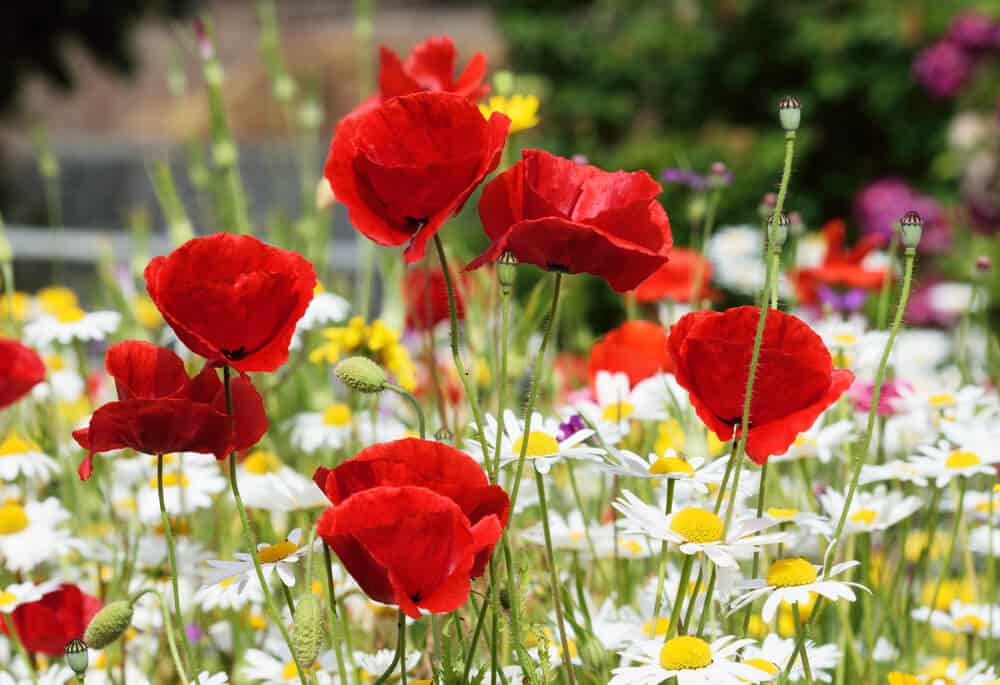
One of the most delightful aspects of an English country garden is the inclusion of wildflowers. These charming plants not only add a touch of natural beauty but also attract pollinators, making your garden a haven for butterflies and bees. You can create a wildflower patch by sowing seeds directly into the soil or by allowing some of your existing plants to go to seed. This approach not only enhances biodiversity but also contributes to the relaxed, informal feel of the garden.

Here’s a list of wildflowers perfect for an English country garden. These flowers are known for their charm, natural beauty, and ability to attract pollinators like bees and butterflies:
Annuals and Biennials
- Cornflower (Centaurea cyanus)
- Foxglove (Digitalis purpurea)
- Corn Marigold (Glebionis segetum)
- Poppy (Papaver rhoeas)
- Sweet Rocket (Hesperis matronalis)
- Forget-Me-Not (Myosotis sylvatica)
- Honesty (Lunaria annua)
Perennials
- Oxeye Daisy (Leucanthemum vulgare)
- Cowslip (Primula veris)
- Meadow Cranesbill (Geranium pratense)
- Red Campion (Silene dioica)
- Yarrow (Achillea millefolium)
- Lady’s Bedstraw (Galium verum)
- Scabious (Knautia arvensis or Scabiosa columbaria)
- Viper’s Bugloss (Echium vulgare)
Climbers
- Wild Clematis (Old Man’s Beard, Clematis vitalba)
- Honeysuckle (Lonicera periclymenum)
Grasses and Companion Plants
- Meadow Buttercup (Ranunculus acris)
- Common Knapweed (Centaurea nigra)
- Ragged Robin (Silene flos-cuculi)
These wildflowers not only contribute to a picturesque, informal aesthetic but also support biodiversity and the health of your garden’s ecosystem.
Designing Garden Paths
Garden paths are another essential element of an English country garden. They guide visitors through the space and encourage exploration. You can create winding paths using gravel, stepping stones, or even reclaimed bricks. Make sure you measure and get the right size gravel for the pathway space, as you don’t want the stones to have an overwhelming impact. Lining your paths with edging plants such as lavender or thyme can provide a fragrant welcome and add a touch of elegance.

Tools and Supplies for Your Garden
To truly capture the essence of an English country garden, consider investing in some tools and supplies that can enhance both the functionality and aesthetic of your space. Here are a few essentials:
- Garden Tools: High-quality hand tools such as trowels, pruners, and weeding forks are essential for maintaining your garden. Look for tools with wooden handles for that rustic, country feel.
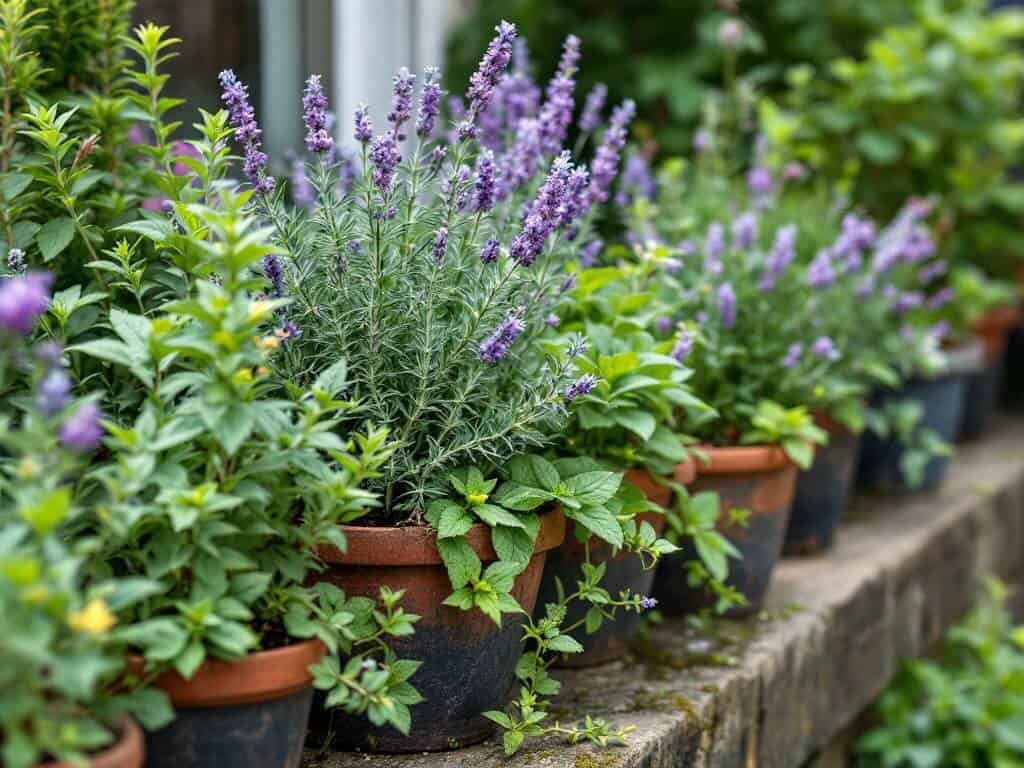
- Planters and Pots: Terracotta pots and rustic wooden planters can add charm and character to your garden. Use them to showcase your favorite herbs or seasonal flowers.
- Garden Furniture: A quaint bench or a set of bistro tables can create inviting spots to relax and enjoy your garden. Opt for weathered wood or wrought iron to enhance the country aesthetic.
- Water Features: A small fountain or birdbath can provide a focal point in your garden while attracting wildlife. The sound of trickling water adds a serene ambiance.
- Trellises and Arches: These structures are perfect for supporting climbing plants like roses and clematis. They not only serve a practical purpose but also add vertical interest to your garden.
- Mulch and Compost: Quality mulch helps retain moisture and suppress weeds, while compost enriches your soil. Look for organic options to keep your garden healthy and vibrant.
- Garden Decor: Consider adding decorative touches like vintage garden stakes, lanterns, or whimsical sculptures to personalize your space and make it feel uniquely yours.

Creating a Wildlife-Friendly Space
An English country garden is not just about aesthetics; it’s also about creating a harmonious environment for local wildlife. By incorporating native plants, you can attract birds, bees, and butterflies, enriching your garden’s ecosystem. Consider adding a small water feature or a birdbath to provide drinking water for thirsty creatures. Additionally, leaving some areas of your garden a bit untamed can create natural habitats for various species.

Seasonal Blooms for Year-Round Interest
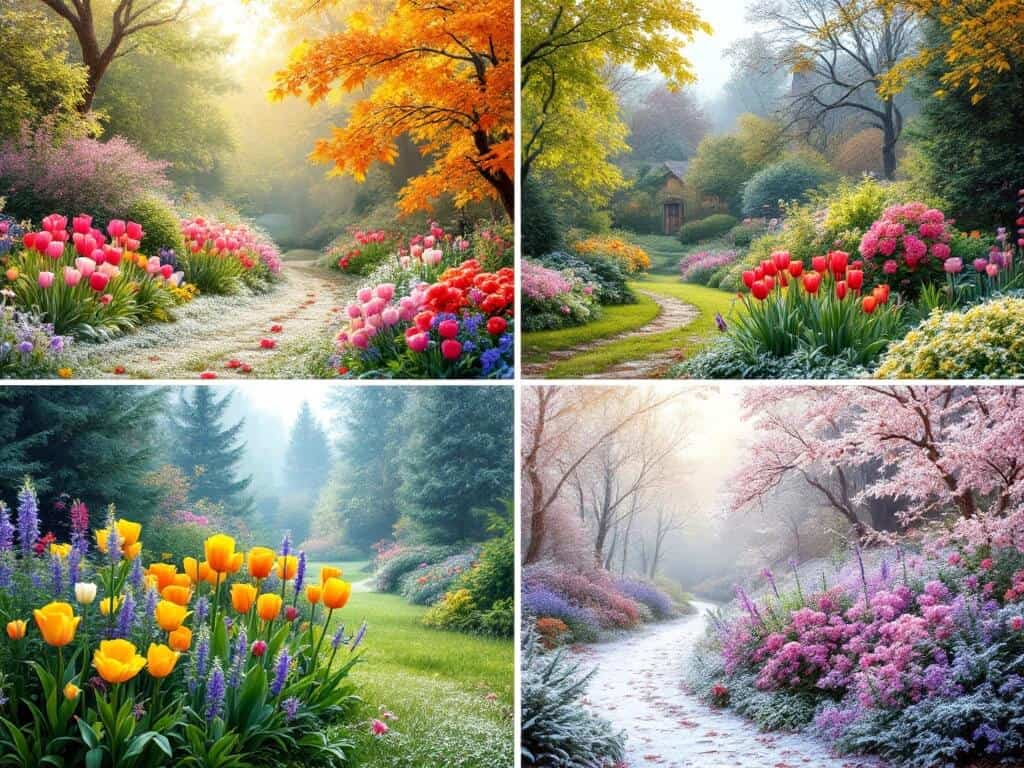
To keep your garden vibrant throughout the year, plan for seasonal blooms. Early spring can be brightened with daffodils and tulips, while summer brings the lushness of roses and foxgloves. As autumn approaches, the warm hues of chrysanthemums and asters will keep your garden alive with color. Finally, even in winter, the structure of evergreens can provide interest and beauty.
Cultivating Fragrance
One of the most delightful aspects of an English country garden is the array of fragrances that waft through the air. Planting fragrant herbs such as rosemary, thyme, and mint not only enhances the sensory experience but can also be useful in the kitchen. Imagine strolling through your garden and being greeted by the fresh scent of lavender or the invigorating aroma of lemon balm.
Final Thoughts
Creating an English country garden is a journey that invites you to connect with nature and express your creativity. Whether you choose to focus on a specific theme or allow your garden to evolve organically, the key is to embrace the charm and beauty of this gardening style. With a mix of perennials, annuals, climbing plants, and a touch of whimsy, along with the right country supplies, your garden can become a serene escape that reflects the timeless elegance of the English countryside.
So grab your gardening gloves, immerse yourself in the joy of planting, and watch as your English country garden flourishes into a beautiful tapestry of color, fragrance, and life. Happy gardening!
English Cottage Garden Style Guide


