
Even though flooding can badly damage property, there are things you can take to lessen the damage. First, ensure everyone, including pets and livestock, is safe. Next, remove anything wet. Mold and mildew can develop within 48 hours of exposure to water or sewage, so act quickly.

Document Everything
Documenting everything that happens during a flood is important for insurance purposes. Keeping track of the objects that were damaged or lost, as well as any costs, is also beneficial.
If you reside in a flood-prone area, upgrading your home or place of business and buying flood insurance makes sense. Flood losses are not typically covered by renter’s or homeowner’s insurance, but a flood policy through the National Flood Insurance Program will cover these losses. If you are evacuating due to a flood warning, listen to the radio for official news and instructions. Stay away from moving water. Six inches of flowing water may knock you off your feet, and rushing water can easily wash cars away. Avoid any sites that have fallen power lines or have been polluted by sewage or other substances. Your home may be promptly and successfully restored to its pre-flood condition with the help of Pure Restore Restoration Denver, experience and skill in the field. They’ll act swiftly to dry out your home and take precautions to avoid further damage while they work to remove the moisture and water.
Turn off the Water
While you cannot stop a natural flood, you can prevent water damage from your house by finding and shutting off the source. It could include things like a burst pipe or a sewage leak. Walking through any standing water is unsafe, especially if it contains hazardous materials like sewage. Watch the local news for developments, and if authorities advise you to leave your property, do so until otherwise instructed. Additionally, cut off the electricity if you can do so without entering the water, and if you can’t reach the fuse box safely, get an electrician to do so. It will help prevent potential fires and electric shock.
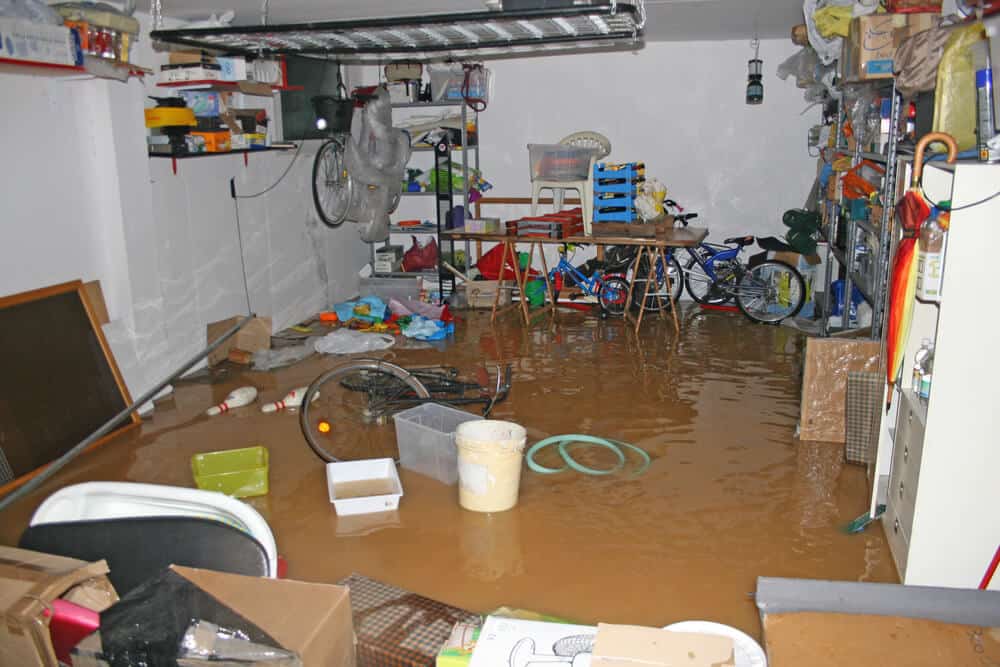
Turn off the Electricity
A flooded house will have wet electrical wiring, and this can lead to permanent damage. It is why it’s important to turn off the electricity. You can find your electrical panel box, which should have circuit breakers for each room and the main power switch. Never touch a circuit breaker or replace a fuse with wet hands or while standing in water. It could cause electrocution. You should also avoid downed electrical wires and report them to the police immediately.
Call the Fire Department
In addition to tidying up and drying off your belongings, you must take the right actions to ensure your property is secure. Mold, sewage, and electrical shock are just some dangers that flood damage can bring. When the water recedes, and you return home, test the air quality before entering. If you smell sewage or mold or see sewage floating in the water, evacuate immediately and wait until authorities give you the all-clear to go back. If you decide to enter the house, wear appropriate safety gear. It includes a well-ventilated mask, rubber gloves and eye protection without holes. Documenting your belongings and their values before and after the flood is also good. It will help the insurance adjuster assess the damage.
Contact Your Insurance Company
Before starting any repairs, you must contact your insurance company. The insurance agent will advise you to wait for an adjuster’s visit before cleaning up and repairing. In the meanwhile, make sure to keep track of everything you do. For your insurance adjuster’s benefit, take pictures of everything before, during, and after cleaning and maintain a thorough inventory of your possessions. Make temporary repairs to prevent further damage from the elements, such as boarding up windows and placing plastic tarps over holes in your roof. Separate your damaged and undamaged property, and wait to throw anything away until your adjuster has seen it.
You may also like:
- 11 Unexpected Household Items That Could Be Clogging Your Drains
- Enhancing Home Renovations: Plumbing’s Crucial Role and Expert Tips