
Living in a rural home offers a wonderful sense of peace and independence. But let’s be honest, it also comes with its own set of responsibilities, especially when it comes to plumbing. Unlike city homes that hook up to municipal services, your country place likely relies on its own self-contained system. That means it needs a bit more hands-on attention from you.
Getting a handle on your plumbing basics is the first step to avoiding expensive emergencies and making sure everything flows smoothly. Knowing how to spot and fix small issues, like a leaky faucet or a toilet that won’t stop running, can save you a ton of time and money. It’s all about catching those little problems like stopping leaks before they turn into big headaches.
Understanding Your Rural Water System
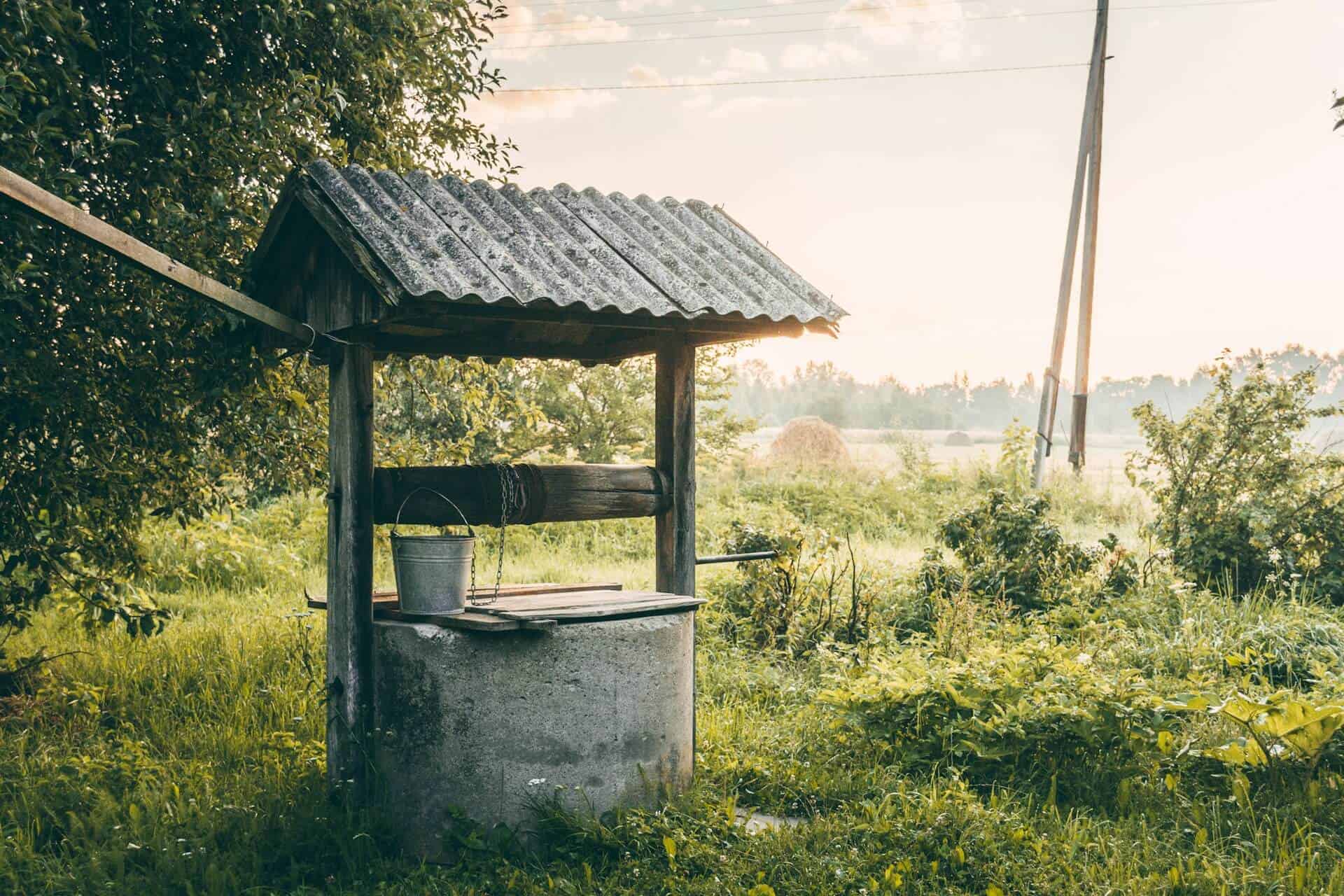
The plumbing setup in a rural home is usually quite different from what you’d find in the city. Instead of city water mains and sewer lines, you probably have your own private well for water and a septic system to handle waste. So, the first thing any rural homeowner should do is get to know their system inside and out. Find your wellhead, the pressure tank, and that all-important main water shut-off valve. It’s also important to know where your septic tank and its drain field are located. Understanding the basic components of a home plumbing system and how they all work together will give you the power to spot issues before they become major problems. It’s a good idea to keep a simple map of your property’s plumbing handy for quick reference.
Preventing Blocked Drains and Pipes
Blocked drains are annoying no matter where you live, but in a rural setting, they can hint at a more serious problem with your septic system. The usual suspects are grease, hair, and things that shouldn’t ever be flushed. So, be really careful about what goes down your drains. Never pour cooking grease down the sink; instead, collect it in a container and toss it in the trash. Use drain covers to catch hair in showers, and be strict: only flush human waste and toilet paper. Tree roots are another big threat, as they can sneak in and block the pipes leading to your septic tank. If you keep getting frequent backups or slow drains even after your best efforts, it’s definitely time to call a professional plumber who knows their way around rural systems.
Hot Water System Efficiency Tips
Your hot water heater is one of the hardest-working appliances in your home. To keep it running efficiently and make it last longer, a little maintenance goes a long way. If you have a traditional tank-style heater, think about flushing it once a year to get rid of sediment buildup. This gunk can make it less efficient and even damage the tank over time. Check the temperature setting; keeping it at 120°F is usually plenty for most households and helps save energy. For even more savings, you can insulate the hot water tank itself and the first few feet of hot water pipes coming out of it. This simple step reduces heat loss, meaning your heater doesn’t have to work as hard.
Identifying and Fixing Leaks Early
A small drip can quickly turn into a big, expensive problem. So, regularly checking for leaks is a crucial part of keeping your home in good shape. Some leaks are obvious, like a dripping faucet, but others can be sneaky and hidden. Keep an eye on your water bill for any sudden, unexplained jumps in usage. You can also check your water meter: turn off all water-using appliances and see if the meter’s dial is still moving. Look for water stains on ceilings and walls, damp spots on floors, or a musty smell – these can all be signs of hidden trouble. Learning how to go about detecting hidden water leaks can save you from major water damage and costly repairs. Many small leaks, like a worn-out toilet flapper or a dripping faucet washer, are actually pretty simple DIY fixes.
When to Call a Professional Plumber
While many small plumbing tasks are totally doable for a handy homeowner, some jobs are really best left to the pros. You should always call for help if you’re dealing with a major water leak you can’t stop, if you have no water at all, or if you suspect a problem with your septic system or well pump. Sewage backups are a health hazard and need immediate professional attention. Likewise, if you’re planning a renovation that involves moving pipes or installing new fixtures, getting a licensed plumber to do the work ensures it’s done correctly and up to code. Don’t hesitate to call for help when a problem is just beyond your expertise.
Taking a proactive approach to your home’s plumbing will help you enjoy all the benefits of rural life without the stress of unexpected plumbing disasters. A little regular maintenance can truly make all the difference.