

It’s easy for a garden to get a little messy and a little worse for wear over time. When that happens, typically the first thing that you want to do is to tidy it up, to trim what needs to be trimmed, pull what needs to be pulled, and make it nice and neat again. However, there’s a lot that you can do to stop it from getting quite as messy again in the future. Here, we’re going to look at how you can make your garden much more organized and pleasant throughout the year, not only to help it stay tidier for longer, but to make it easier to maintain, as well.
Start By Defining The Different Zones
If you want to start making better use of your garden, then you should think about what you want to use it for, first and foremost. Giving the different parts of it a defined purpose can help you split it into different zones, each of which can be easier to control when they are separate from one another. For instance, you can have a zone for dining and entertaining, a zone for lounging, a zone for the kids to play, and a zone for planting. We’re going to look at some of the ways you can create boundaries between those spaces, but defining the spaces is the first step.
Add Some Raised Beds
If you want to make sure that you’re able to maintain beautiful green spaces with flowering plants, but you don’t want a garden that can easily grow unruly, raised beds could be just what you need. These create a defined and purpose-built planting area, but they can also make it easier to manage your plants, containing the soil, making it easier to spot and eliminate weeds, and even improving drainage. You can align several beds symmetrically for a nice, organized look or stagger them for a more varied and visually interesting appeal. With raised beds, you also don’t have to spend as much time bending or kneeling, which can make gardening less of a chore.
Control The Flow With Defined Borders
If you are following the tips above and creating defined zones, or you simply want to make sure that the garden doesn’t spill over onto paths or more usable spaces, then you might want to establish a few borders. Framing your lawn, pathways, or decking with well-defined planting edges can help you create a much better sense of structure. These borders can include organic growths, such as shrubs, as well as edging materials such as brick, stone, or even metal. Be sure to act fast if you see weeds breaking through these borders and tidy the soil around them routinely, at least once a year, to keep them neat, orderly, and effective.
Add Some Formal Structure With A Patio
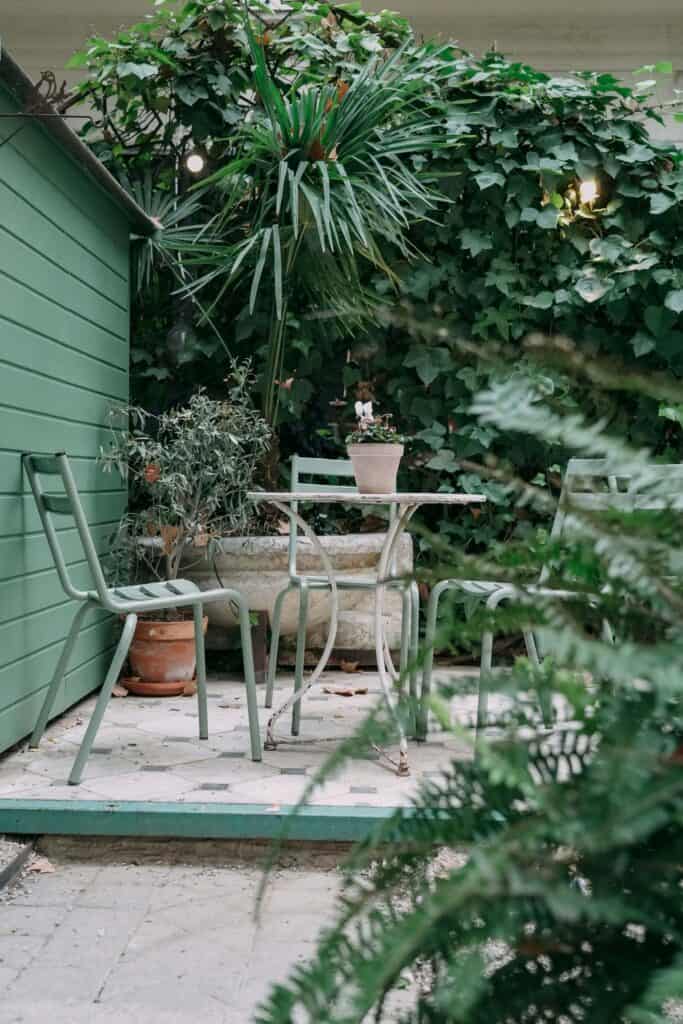
One of the things that can make gardens easily grow wild is an overabundance of lawn and planting areas. If you’re not keeping up with trimming the garden as much as you can, then perhaps you should have a little less garden and a little more outdoor living space. To that end, some patio landscaping can bring the calm and balance that your garden might need. It provides clean, orderly spaces, as well as a well-defined use for that space. The right furniture, some shade, perhaps a fire pit or an outdoor cooking area, and you have a space that not only looks great but has real practical use, as well. A good patio is able to fit all manner of uses, whether you use it for al fresco dining with the family, to entertain friends and guests, or just as a place to relax and enjoy looking over your garden.
Consider Artificial Lawns
If your biggest concern is that you don’t like keeping up with your lawn, then it might be easier to opt for the artificial kind that requires a lot less care. With an artificial lawn, you don’t have to water it, you don’t have to mow it, and you don’t have to spend your days weeding it, either. Sometimes, you might have to wash it clean of debris that can build up (or if a pet or stray animal decides to mark their territory there), but, in general, it’s a lot less hassle than the real thing. It also makes it easy to ensure that you don’t have green spaces that grow well beyond their boundaries and make a mess of the whole garden.
Connect And Guide With Pathways
If you want to be able to admire your garden and to stroll through it, as well as to maintain the borders between different zones, then installing pathways could be just the thing that you need. A clean path system connects you to different parts of the garden, prevents trampling on plants, and overall creates a much more defined and orderly space. Materials like gravel, stepping stones, or brick pavers offer both structure and style, depending on the look you want, and how much you want to have to maintain them.
Don’t Forget To Light It Up
Although it won’t practically change the garden itself, a little lighting can do a lot to make it feel a lot more orderly. For instance, any pathways, borders, boundaries, or changes in level can be lit up, which not only makes them more noticeable in the evening but can also prevent people from tripping or falling over them. Lights can also be used to draw attention to focal points, be it a statement tree or some architectural feature of the home, so that the eye has somewhere to focus, rather than drifting all over the garden. What’s more, they can add warmth and ambience to the space, which creates a more inviting mood.
The tips above not only make your garden nice, neat, and orderly, but they can make it a lot easier to use and enjoy, as well. A few upgrades now can save you a lot of maintenance work in the future.