

Replacing windows in your home is not just a matter of aesthetics; it’s also a crucial part of maintaining energy efficiency and enhancing property value. Whether you’re dealing with drafty, old windows that need an upgrade or simply looking to refresh your home’s appearance, a window replacement project can yield significant benefits. This guide will outline six essential tips that will not only help you navigate the replacement process but also ensure you select the right windows for your needs. From understanding materials and styles to the importance of professional installation, following these tips will set you on the right path toward achieving a successful window replacement.
1. Assessing Your Current Windows
Before embarking on a window replacement project, it’s vital to evaluate your current windows thoroughly. Look for signs of damage such as cracks, warping, or difficulty opening and closing. These issues often indicate that your windows are no longer functioning as they should, leading to energy loss. Take note of any drafts or condensation between the panes, as these can compromise your home’s comfort and energy efficiency.
Consider the age of your windows. Older models may not meet modern energy efficiency standards, resulting in higher heating and cooling costs. If most windows in your home are over 15 years old, it may be time to consider new installations. A careful inspection will help you prioritize which windows need immediate replacement and inform your selection process for new options.
Think about your home’s overall aesthetic. How do your current windows fit into your home’s style? Make a list of your preferences and any particular features that could improve both appearance and functionality. This groundwork will not only guide your choices but also ensure that your new windows enhance the character of your home. Find a Bothell window replacement service or one near you and discuss your options with a knowledgeable professional. They can provide valuable insights and recommend the best windows for your specific needs.
2. Understanding Window Materials
When selecting new windows, one of the most critical decisions you’ll face is the material. Windows are typically available in wood, vinyl, fiberglass, and aluminum, each offering distinct benefits and drawbacks. Wood is prized for its natural beauty and insulation properties but requires regular maintenance to prevent rot and decay. On the other hand, vinyl is popular for its durability and minimal upkeep, making it an excellent choice for many homeowners.
Fiberglass windows combine strength and energy efficiency, while also resisting the warping and fading common with other materials. Although typically more expensive, their long-term performance may justify the initial investment. Aluminum windows offer a sleek appearance and are lightweight; however, they can conduct heat and cold more than other materials, potentially affecting energy efficiency.
As you evaluate materials, consider your climate, budget, and maintenance tolerance. Understanding these characteristics will help you select a window material that aligns with your needs while contributing to your home’s overall comfort and value.
3. Choosing Styles that Fit Your Home
Window styles play an essential role in your home’s aesthetic appeal. Among the myriad options available, you might consider double-hung, casement, awning, or sliding windows, each bringing a unique set of characteristics. Double-hung windows consist of two sashes that move vertically, allowing for optimal ventilation and easy cleaning. Meanwhile, casement windows are hinged at the side, offering a wider opening and excellent airflow.
Awning windows are hinged at the top and swing outward, making them perfect for areas that require ventilation while still keeping moisture out during the rain. Sliding windows offer a sleek, modern look, allowing you to easily access outdoor views without compromising on space. It’s essential to choose a style that complements your home’s architectural design, enhancing both appearance and functionality.
Some styles might be better suited for specific rooms. For example, if you’re looking to create airflow in a kitchen, casement windows can be strategically placed to maximize breezes. By considering both aesthetics and functionality, you can make informed choices that benefit your home in the long run.
4. Energy Efficiency and Ratings
Energy efficiency is a key consideration in modern window replacement projects. Look for windows that have energy efficiency ratings, such as ENERGY STAR certification, which indicates that the product meets strict energy performance standards set by the Environmental Protection Agency. Windows with these ratings can significantly reduce your heating and cooling costs over time.
Another important aspect to consider is the window’s U-factor, which measures heat transfer. Lower U-factors indicate better insulating properties, thereby improving your home’s energy efficiency. Additionally, examine the Solar Heat Gain Coefficient (SHGC), which measures how much solar radiation is admitted through the window. Choosing windows with appropriate SHGC ratings can help manage heat gain during hotter months.
Consider the type of glazing used. Low-emissivity (Low-E) coatings can help reflect heat in the summer while preventing heat loss in the winter, further contributing to your home’s overall energy efficiency. Investing in high-quality, energy-efficient windows is not only economically wise, but it can also enhance your comfort throughout the seasons.
5. Professional Installation vs. DIY
While there are resources available for DIY projects, professional installation is often highly recommended for window replacement. Experienced installers have the knowledge and skills to ensure that your windows are fitted properly, which is crucial for maintaining energy efficiency and overall performance. Improper installations can lead to air leaks, moisture buildup, and even structural issues.
Hiring professionals can also save you time and effort. Window installation can be a labor-intensive job that requires careful measurements, removals of old windows, and proper sealing to safeguard against weather elements. With professionals handling the installation, you can rest assured that the job will be done efficiently and to code.
Look for licensed and insured contractors with positive reviews and a solid reputation in your area. Don’t hesitate to ask for references and past project examples. A qualified installer will not only provide peace of mind but can also offer insights on maintenance and warranty options, which can be invaluable in the long run.
6. Maintenance Tips for Longevity
Once your new windows are in place, ensuring their longevity requires consistent maintenance. Regularly inspect seals and weather stripping to prevent air leaks and moisture issues. Clean your windows every few months to keep them looking good and functioning well, paying attention to both interior and exterior surfaces. Use a gentle cleaner and a soft cloth to avoid scratching the glass.
For wooden windows, reseal and repaint surfaces as needed to protect against the elements. Regular maintenance can prevent issues such as rot or warping and keep your windows looking fresh. Additionally, avoid using abrasive materials that could damage the frame or glass surfaces.
Consider seasonal check-ups. As temperatures fluctuate, materials may expand or contract, which can affect the fit and function of your windows. Schedule periodic evaluations with a professional to ensure everything remains in good shape and to address any potential issues before they escalate. Following these maintenance tips will help maximize the lifespan and efficiency of your new windows.
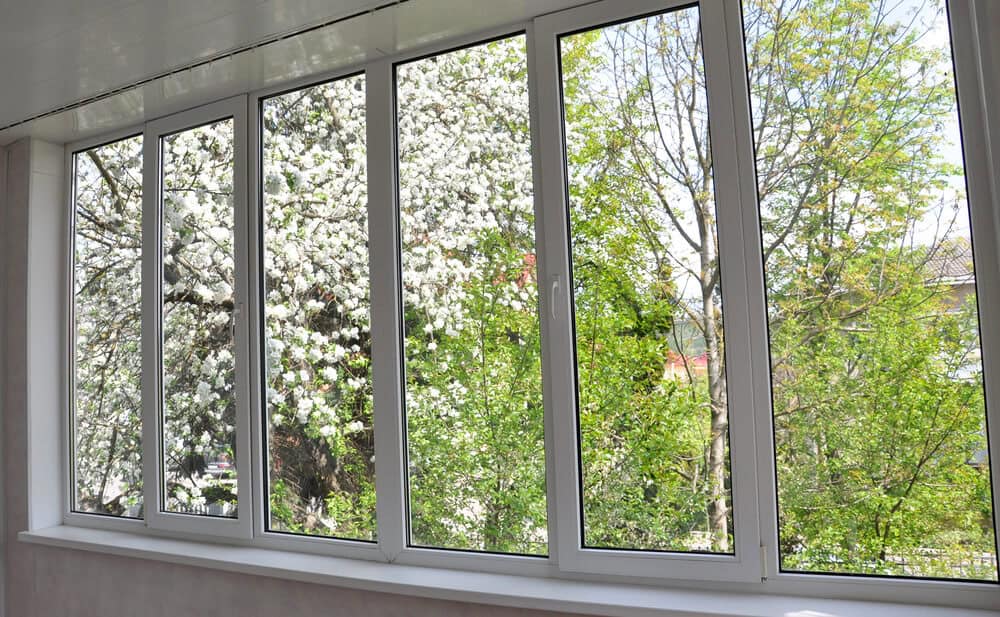
A window replacement project is an investment that can significantly improve your home’s appearance and energy efficiency. By following these tips, you’ll have all the necessary information to make informed decisions and select windows that best fit your needs. Remember to prioritize quality materials, professional installation, and proper maintenance for long-lasting results. With the right approach, your new windows will not only enhance your home’s value but also provide comfort and enjoyment for years to come.