

As stewards of our environment, the choices we make in our gardens echo through our ecosystems. Utilizing eco-friendly gardening tools is more than a personal preference—it’s a crucial part of a sustainable lifestyle.
This article delves into the significance of selecting gardening tools made from sustainable materials, highlighting how these choices can positively impact both our local environments and the global ecological balance.

Image source: pexels.com
Understanding the Impact of Conventional Gardening Tools
Traditional gardening tools, often made from plastics and metals, have significant environmental footprints due to the energy-intensive production processes that deplete natural resources and emit pollutants.
These materials not only contribute to air and land pollution but also adversely affect soil health and local ecosystems, influencing pest dynamics and increasing reliance on chemical pest control methods.
By adopting eco-friendly gardening practices and using sustainable tools, gardeners can mitigate these environmental impacts.
Such practices enhance soil health, which naturally helps control pests, reducing the dependency on chemical treatments. This sustainable approach complements eco-conscious pest control strategies that benefit both the environment and the community’s well-being.
Transitioning to Eco-Friendly Gardening Tools: Materials that Matter
Adopting eco-friendly gardening tools made from sustainable materials not only minimizes negative environmental impacts but also supports a cycle of renewal and sustainability.
Here’s a closer look at some sustainable materials and the tools you can find them in:
- Bamboo: As a fast-growing, renewable resource, bamboo serves as an excellent material for tool handles and stakes. Its rapid regrowth helps prevent deforestation, and its natural durability offers a long-lasting alternative to conventional wood.
- Recycled Metal: Selecting tools made from recycled metals like reclaimed steel or aluminum reduces mining impacts and supports a sustainable closed-loop system. These durable tools can be recycled again, minimizing waste. For example, a spade made from recycled aluminum offers a lightweight, yet strong solution for digging, while being entirely recyclable, thereby reducing landfill waste.
- Biodegradable Plant Pots: Shifting away from plastic, biodegradable pots made from materials like coir or pressed peat decrease reliance on petroleum products and enhance soil health as they decompose.
- Wood from Sustainable Sources: Tools crafted from wood certified by the Forest Stewardship Council (FSC) ensure that the material comes from responsibly managed forests, which helps maintain biodiversity, protects water resources, and supports the community.
- Composite Materials: Composites made from recycled plastic and natural fibers combine durability with sustainability, reducing plastic waste while offering a long service life.
| Fun Fact: Some types of biodegradable pots, like those made from peat or coconut coir, help retain moisture better than traditional pots, reducing the need for frequent watering. |
The Benefits of Eco-Friendly Gardening Tools
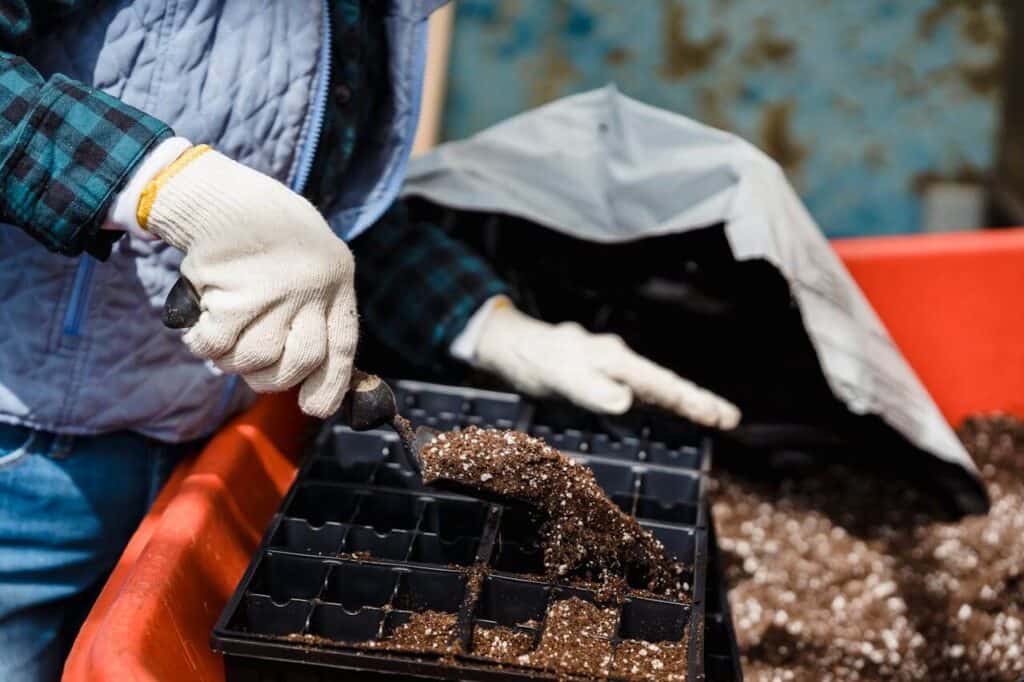
Image source: pexels.com
Integrating eco-friendly tools into your gardening practices offers several benefits:
Environmental Protection
Eco-friendly gardening tools help mitigate unavoidable CO2 emissions by conserving natural resources and reducing waste, supporting the maintenance of a sustainable ecosystem.
This sustainable approach preserves natural habitats, crucial for supporting a diverse range of wildlife such as pollinators like bees, small mammals like hedgehogs, and domestic animals like the Rhode Island chicken.
These practices ensure these species have access to safe, uncontaminated environments, necessary for their survival and well-being, thereby promoting a healthier, more biodiverse ecosystem.
Soil and Plant Health
Sustainable tools typically contain fewer toxins, reducing the risk of chemicals leaching into your garden and promoting healthier plant growth.
Additionally, using eco-friendly pest control methods, such as tools that facilitate the use of natural predators or barriers, can prevent pests without harming the ecosystem.
Pest Control
Eco-friendly gardening practices include using tools and materials that naturally deter pests while being harmless to beneficial insects and pollinators.
For example, copper barriers for slugs and snails, or ergonomically designed hand tools that help apply natural pest deterrents more effectively, contribute to maintaining a balanced garden environment.
Economic Efficiency
Although the initial investment in eco-friendly tools might be higher, their durability and longevity provide long-term savings. Investing in quality eco-friendly tools that also aid in effective pest control can reduce the need for frequent replacements and decrease reliance on chemical pest control products.
By choosing eco-friendly gardening tools and practices, gardeners can enjoy a healthier garden and contribute positively to their local environment.
| Fact: Tools with plastic components might contain plasticizers like phthalates, which are used to make plastics more flexible. These compounds can leach into the soil, especially under sun exposure and as the plastic ages and begins to degrade. |
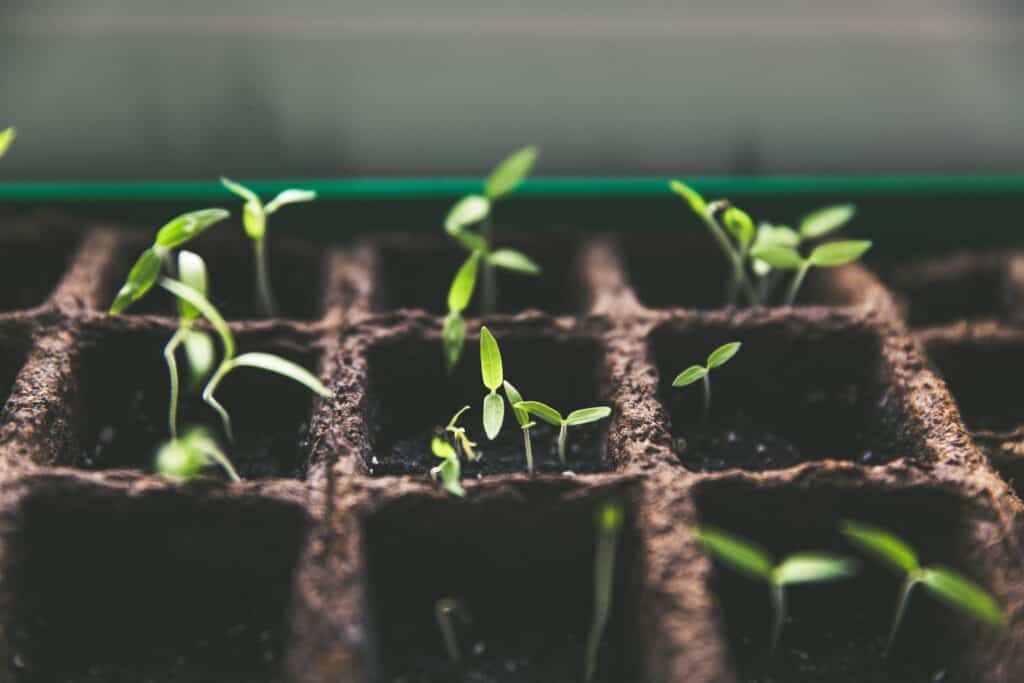
Image source: unsplash.com
Making Informed Choices in Eco-Friendly Gardening
When selecting gardening tools, verifying the sustainability of the products is essential. Look for:
- Certifications: Labels like the FSC for wood and similar certifications for other materials ensure that the products meet stringent environmental standards.
- Company Practices: Support companies that are transparent about their manufacturing processes and committed to sustainable practices.
Conclusion
Embracing eco-friendly gardening tools is an impactful step toward sustainable living. By making informed choices, gardeners can significantly reduce their ecological footprint, promoting a healthier environment for future generations.
Let us cultivate our gardens with mindfulness and responsibility, choosing tools that uphold our commitment to the planet.