
Summer camps with a focus on horse riding offer an immersive experience for children and teenagers looking to explore the world of equestrian pursuits. They are designed not only to teach riding skills but also to impart a broader understanding of horse care and stable management. Young adults often come away with a deeper appreciation for the bond between horse and rider as well as improved riding ability. They also come away with new friends, horsemanship knowledge and a great camp experience. So let’s dive deeper into horse riding summer camps and how to choose the best one for your rider’s skill level.

Most horseback riding camps cater to a range of skill levels, from beginners seeking to learn the basics of horsemanship to more experienced riders aiming to refine their techniques. Daily activities at such camps typically include practical riding lessons, trail riding, and learning through fun games on horseback. Interaction with the horses is not limited to riding; campers also engage in grooming, feeding, and learning about equine behaviour, which contributes to a holistic equestrian education for horse lovers.
For those with a keen interest in equestrian sports, specialised summer camps provide top-notch facilities and qualified instructors to ensure a safe and enriching environment. These camps not only facilitate the improvement of riding skills but also nurture a sense of community among campers, as they share experiences and build friendships through their shared passion for horses.
Choosing the Right Horse Riding Summer Camp
Selecting the appropriate horse riding summer camp requires consideration of several critical factors including safety, range of programmes, and quality of facilities.
Camp Accreditation and Safety
A horse riding camp must possess proper accreditation from reputable equine organisations. These may include local equine societies or national bodies that impose strict safety and operational guidelines. Safety protocols should be in place, ensuring that all participants wear helmets and use equipment that is regularly inspected and maintained. A great place to start is to research online at the camp listing on their website.
Programmes and Levels Offered
The camp should offer a variety of programmes catering to different levels of riders, from beginner to advanced. Each programme must provide a structured curriculum with clear objectives and progression in equine activities. This enables riders to develop their skills and knowledge systematically. Check out if they have any free programs for disadvantaged children available. What are the enrollment options and ongoing deals? Do you have the option for a full day ride or half-day camp over Spring break?
Location and Facilities
The camp’s location is important and should ideally provide a balance of convenience and an environment conducive to riding. Facilities might include well-maintained stables, a covered arena, and trails. Quality of accommodation, if offered, should also be considered, as it contributes to the overall experience of the camp participants. Look at their overnight camps, horseback riding lessons for beginner riders, horsemanship skills and what other kids activities are available. As an example, do they have water sports, martial arts, rock climbing or any other special events going on as well as pony rides?
Top Horse Riding Camps in the US
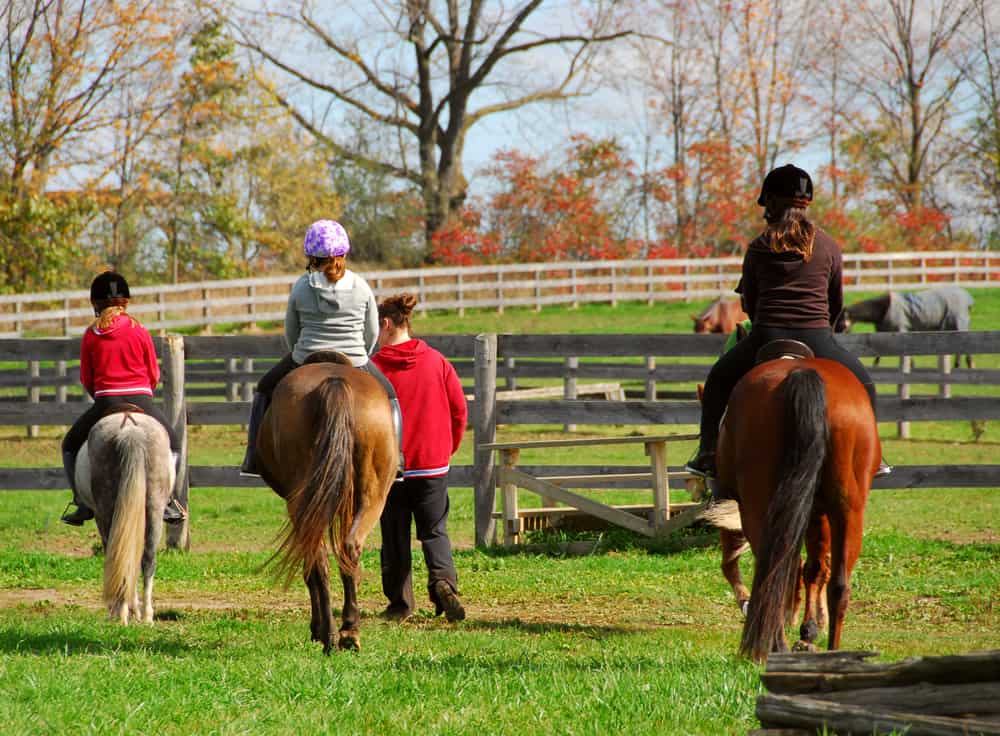
When deciding on an appropriate horse riding summer camp in the US, families have several excellent options to consider. These camps not only provide comprehensive horse riding programmes but also imbue campers with essential equestrian skills.
Pennsylvania
Stone Mountain Adventures in Pennsylvania is renowned for its range of programmes, not only horse riding. They cater to beginner, intermediate, and advanced riders. With experienced instructors at the helm.
It’s a camp well-versed in equine care and riding skills suitable for ages 12 to 16. The camp offers a coeducational experience with overnight stays, allowing participants to immerse themselves fully in the equestrian and outdoor lifestyle.
North Carolina
Rockbrook Horseback Riding Camp, North Carolina – This camp is exclusively for girls and provides day camps suitable for novice riders, as well as an overnight camp aimed at the more experienced equestrians. The instruction focuses on English riding and encompasses jumping for participants who are at that proficiency. It is open to all skill levels, welcoming girls aged 7 and older.
Missouri
Sunset Trails Stable, Missouri – The program welcomes both boys and girls who are 6 years old and above. Additionally, there is a mini-camp named Texas Tots designed for children aged 4 and 5. In this camp, children get to experience the responsibilities of horse ownership, including the correct methods of feeding and caring for horses on the ground, along with learning the fundamentals of horsemanship both on the ground and in the saddle.
Texas
Hunters Chase Farms Inc. Texas – The facility provides a range of programs including day camps and overnight camps, open to both boys and girls from the ages of 5 to 18. The camps are tailored to enhance horsemanship according to each rider’s existing abilities and aim to develop riding skills for both competitive show-ring events and recreational riding.
Set on a picturesque ranch that spans over 45 acres, it’s an ideal environment for children to gain and exchange knowledge about horses, while also acquiring valuable life skills. With a concentration on hunt seat equitation, the instruction here is excellent for those who aspire to compete in horse shows as part of their equestrian journey.
Here’s a brief overview of notable camps:
| Camp Name | Location | Age Range | Programmes Offered |
|---|---|---|---|
| Stone Mountain Adventures | Pennsylvania | 12-16 | Beginner to advanced riding, other outdoor activities |
| Sunset Trails Stable | Missouri | 6+ | Feeding and Caring, horsemanship and riding |
| Rockbrook Horse Riding Camp | North Carolina | girls aged 7 + | Focuses on English riding – all levels |
| Hunters Chase Farms | Texas | 5-18 | Day and overnight camps, excellent for those who aspire to compete in horse show |
These camps present opportunities for children and teenagers to grow their skills in horseback riding while also enjoying the camaraderie and adventure of a summer camp.
Preparing for Horse Riding Summer Camp
Before attending the horse riding summer camp, one should focus on gathering the appropriate gear and enhancing riding skills and fitness levels.
Essential Gear and Clothing
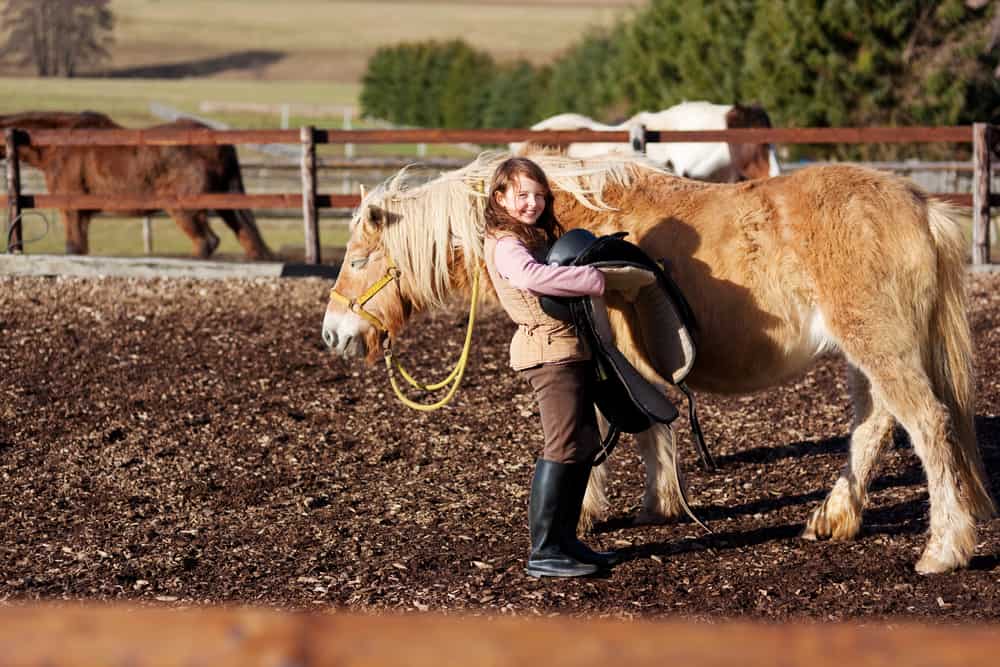
When preparing for a summer camp focused on horse riding, the attendees should ensure they have the following essential items:
- Helmets: A certified riding helmet is a must for safety.
- Riding Boots: Proper boots with a heel to prevent feet from slipping through the stirrups.
- Breeches or Jodhpurs: Comfortable riding trousers that allow for flexibility and movement.
- Gloves: To protect hands and improve grip.
- Appropriate Tops: Shirts should be comfortable and suitable for outdoor activity; avoid loose clothing that can get caught.
- Riding Crop/Whip: If allowed by the camp, for experienced riders.
| Item | Specification | Purpose |
|---|---|---|
| Riding Helmet | Safety-certified, properly fitted | Protects the head in case of falls |
| Riding Boots | With a heel, comfortable fit | Safety and stability in the stirrups |
| Breeches/Jodhpurs | Stretch fabric, fitting | Flexibility and comfort for riding |
| Gloves | Durable, non-slip | Protects hands and improves grip |
| Tops | Tight-fitting, breathable | Comfort and safety during riding |
| Crop/Whip | Only if permitted and necessary for the rider | Aid for experienced riders |
Riding Skills and Fitness
Riders should arrive at the camp with a rudimentary understanding of horse riding and a reasonable level of fitness. They should work on these areas before camp starts:
- Riding Skills: Basic knowledge of mounting, dismounting, halting, and steering a horse.
- Fitness: A good equestrian must possess core strength, flexibility, and balance. Riders can benefit from exercises like planks, squats, and yoga.
| Skill/Fitness Area | Activities/Skills to Develop |
|---|---|
| Riding Skills | Mounting, dismounting, halting, steering |
| Core Strength | Exercises such as planks and sit-ups |
| Balance | Practices such as standing on one leg or using a balance board |
| Flexibility & Agility | Stretching routines, yoga, pilates |
Developing these skills and fitness levels is crucial for an enjoyable and beneficial experience at a horse riding summer camp.
Benefits of Horse Riding for Children
Horse riding offers a myriad of advantages for children, encompassing physical, mental, and social development. These benefits are not only immediate but can also contribute to long-term growth and well-being.

Physical Health Benefits
Horse riding engages multiple muscle groups, improving a child’s overall physical fitness. The act of riding promotes balance and coordination while strengthening the core, which is crucial for good posture and physical stability. The activities involved in horse riding such as grooming and tacking also enhance fine motor skills and encourage children to stay active, contributing to a healthy lifestyle. It’s great for teen girls to get out on an outdoor adventure!
- Core Strength: Maintains balance and stability on the horse.
- Coordination and Balance: Maneuvering the horse requires synchronized movements.
- Motor Skills: Tacking and grooming refine fine motor skills.
Mental and Emotional Development
Interacting with horses can significantly boost a child’s self-esteem and confidence as they master new skills. The responsibility of caring for an animal also instils a sense of achievement. Horse riding is an excellent stress reliever; it’s an activity that allows children to connect with nature, which can have a calming effect on the mind.
- Self-Esteem: Succeeding in riding tasks enhances self-worth.
- Stress Relief: Being outdoors and engaging with animals offers mental calm.
Social Skills and Teamwork
Horse camps often require children to work in groups, which is a great way to build teamwork and social skills. The environment encourages children to communicate effectively, build friendships, and develop empathy through shared experiences and learning to care for the horses.
- Communication Skills: Interacting with peers and instructors.
- Empathy: Understanding and caring for the horse’s needs.
Daily Schedule at Horse Riding Summer Camps
Horse riding summer camps offer structured daily schedules that balance riding instruction with leisure and social activities.
Riding Lessons and Practice
At the heart of a horse riding summer camp is the equine curriculum, which typically commences after breakfast. Riding lessons may involve dressage, hunter/jumper, and western riding techniques and are suited for varying levels of experience. After lessons, campers often engage in horsemanship where they learn about horse care, grooming, and tack maintenance in their riding groups.
Extracurricular Activities and Free Time
The afternoons may incorporate free time or scheduled extracurricular activity time. These can include a free swim, village time, watching a fun show, horse show or a relaxing ride. Extras such as farm management classes offer insight into equine care beyond riding. This time allows campers to bond with their peers and enjoy the natural surroundings.
Evening Events and Campfire Nights
As night falls, camps organise evening events like toasting marshmallows and storytelling around a campfire. These activities serve as a perfect end to the day, creating memorable experiences and strengthening the community spirit of camp week.
Safety Measures and Emergency Protocols
Safety is paramount at horse riding summer camps. Camp organisers prioritise the implementation of rigorous safety protocols and the availability of medical support to ensure the wellbeing of all participants.

Horse Riding Safety Gear
To mitigate risks during horse riding activities, wearing the correct safety gear is compulsory. Key pieces of safety equipment include:
- Helmets: A properly fitted helmet is mandatory for riders. It must meet the current safety standards to provide effective protection against head injuries.
- Boots: Footwear should have a small heel to prevent the foot from slipping through the stirrup.
- Body Protectors: To protect riders from injury if they fall, body protectors provide essential support to critical areas.
- Visibility Aids: For outdoor riding or riding in low-light conditions, high-visibility vests ensure riders are seen.
First Aid and Medical Support
Comprehensive first aid and medical support are on hand to address any potential incidents swiftly:
- First Aid Kits: Fully stocked and readily accessible in multiple locations around the camp.
- First Aid Training: Staff receive training in first aid and are prepared to respond to emergencies.
- Emergency Procedures: In place to coordinate with local hospitals and emergency services for prompt medical attention if required.
Parental Involvement and Visitation
Parental involvement in horse riding summer camps enhances the experience for children and provides peace of mind for parents. Clear lines of communication and specifically tailored visiting days allow for meaningful participation in their child’s summer camp journey.
Communication with Camp Staff
Effective communication between parents and camp staff is crucial. Upon enrolment, parents should expect to receive:
- A welcome pack containing camp details, schedules, and contact information.
- Regular updates through emails, newsletters, or a secure online portal during the camp duration.
Parents are encouraged to engage with camp staff to discuss their child’s progress, address any concerns, and gain insights into camp life.
Visiting Days and Participation

Most camps designate visiting days to encourage parental involvement, subject to pre-arrangement and camp policies to ensure safety and minimise disruptions. On these days, parents might:
- Observe their child engaging in activities such as grooming, tacking, and riding.
- Partake in certain camp events or showcases, enhancing the communal atmosphere.
Each camp’s visiting policy varies, so advanced verification with the specific camp is recommended.
Frequently Asked Questions
In this section, readers will find direct answers to common inquiries about summer horse riding camps. These details will help set realistic expectations and guide preparations.
What should one expect at an overnight equestrian summer camp?
Overnight equestrian summer camps typically provide a comprehensive riding experience, including two daily riding lessons, horse care, barn management education, and various equine-related demonstrations. Campers engage with horses, improve riding skills, and learn about equine care.
What attire is appropriate for horse riders during the summer months?
Riders should wear long trousers, such as jodhpurs or breeches, to protect their legs from chafing. A lightweight, long-sleeved shirt can help prevent sunburn while ensuring comfort. ASTM/SEI-certified riding helmets are mandatory for safety, and closed-toe, heeled boots are appropriate footwear for riding.
What are the typical costs associated with attending horse riding summer camps?
The costs of horse riding summer camps can vary widely based on factors such as location, program length, and amenities offered. Typically, fees range from several hundred to a few thousand dollars, covering instruction, accommodation, food, and horse-related activities.
How does a horse riding school differ from a horse camp?
Horse riding schools tend to focus on formal riding education and regular lessons throughout the year. Conversely, horse camps are seasonal, offering an immersive experience that combines riding lessons with other camp activities and broader life skills development.
What activities are offered at sleepaway camps featuring horseback riding?
Sleepaway camps with horseback riding often include ring lessons focused on riding fundamentals, fun riding sessions like trail rides, treks and games on horseback. Lessons in horse care are normally included in the riding program. They also provide traditional camp activities such as campfires, hikes, and crafts.
How can I find reputable summer horse camps in my area?
To find reputable horse riding summer camps, start by researching online and checking reviews. Contact local equestrian clubs or associations for recommendations. When possible, visit summer riding camps in person and inquire about the qualifications of instructors, years experience, the safety record, outdoor activities, and the camp’s overall philosophy.