
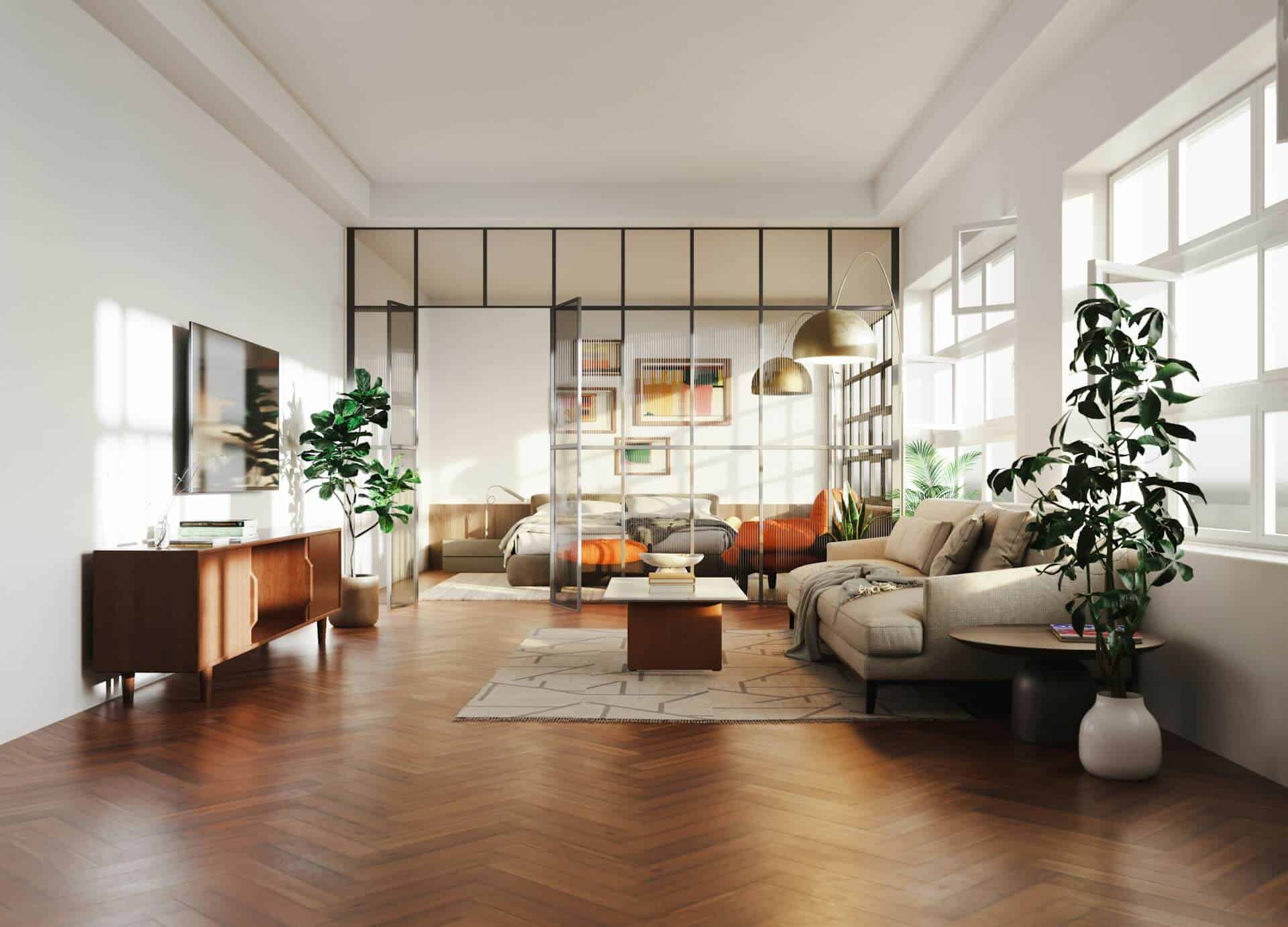
Rooms with wide, sunny windows can become uncomfortably warm long before the rest of the home. Much of that discomfort comes from solar heat gain, which occurs when sunlight passes through glass and warms floors, furniture, and other indoor surfaces. Air conditioning can remove some of that heat, but preventing it from entering is often more effective. Exterior shading offers a practical answer while keeping rooms bright, open, and connected to the outdoors.
Why Interior Blinds Fall Short
Curtains and indoor blinds help with glare and privacy, but sunlight has already crossed the glass before it reaches them. Dark fabrics and closed blinds can then absorb heat, creating a warm pocket beside the window. Some of that warmth spreads into the room, which places extra demand on fans or cooling systems.
Closing interior coverings also leaves a sunlit room noticeably darker. They can also reduce afternoon glare on a television or computer screen, but they can also require you to turn on electric lights. Exterior shading addresses the heat earlier and gives you more control over indoor brightness.
Stopping Solar Heat at the Facade
Exterior shading blocks direct sun before it reaches the window. The best design depends on window orientation, seasonal sun angles, and when each room feels hottest. A west-facing living area, for example, often needs stronger afternoon protection than a south-facing room.
Adjustable aluminium louvres can suit homeowners who want to manage light, privacy, and airflow around windows or outdoor areas. Before choosing a system, observe the window at several points during the day. Note when direct sun reaches the glass and how far it travels into the room.
The Versatility of Aluminium Louvres
Louvers offer more flexibility than a fixed awning because their angle can respond to changing conditions. Tilt them toward the sun during the hottest hours, then open them when the light softens. This works well in living rooms that need afternoon shade but benefit from an open outlook in the morning.
Aluminium also suits exposed exterior settings because it doesn’t swell like timber and requires limited routine care. Check the finish, operating mechanism, and mounting location before installation. In coastal areas, ask how the hardware handles salt in the air. Periodic rinsing helps remove grime and keeps moving parts operating smoothly.
Simple Steps for a Cooler Home
Start with the rooms that overheat most often and track direct sunlight for a few clear days. Photos taken at 9 a.m., noon, and 3 p.m. can reveal patterns that are easy to miss. Also check whether heat enters through one large window or several smaller openings.
Keep windows closed when outdoor air is hotter than indoor air, then open them once temperatures fall. Use ceiling fans to improve comfort without lowering the thermostat sharply. Clean exterior shading regularly and inspect moving parts before summer. When planning a permanent installation, measure carefully and account for handles, screens, drainage paths, and safe access. The best result is a room that still feels naturally bright when the afternoon sun hits the facade.